


The week brought together a mix of developments in digital assets, economic policy, and political events that showed how interconnected financial systems and government decisions have become. From Bitcoin’s continued evolution as an institutional asset to debates over tariffs and interest rates, the news painted a picture of uncertainty mixed with gradual progress. People following these topics saw everything from regulatory approvals to warnings about market risks, with discussions focusing on how traditional finance and digital assets are increasingly overlapping.
Bitcoin and Cryptocurrency Market Developments
Holder Behavior and Corporate Adoption
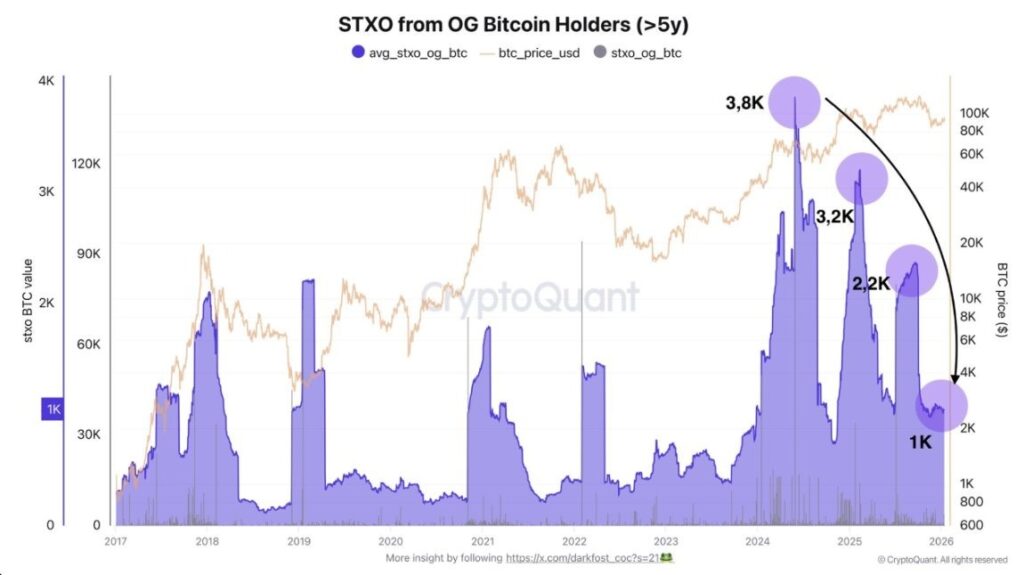
Bitcoin’s market behavior drew significant attention, with analysts noting shifts in how different groups of holders were acting. Early Bitcoin holders, often called OGs, showed a sharp drop in activity, which suggested that even large holders, or whales, had slowed down their selling patterns. This change pointed to a current trend where holding Bitcoin became more common than distributing it, according to data from cryptoquant_com.
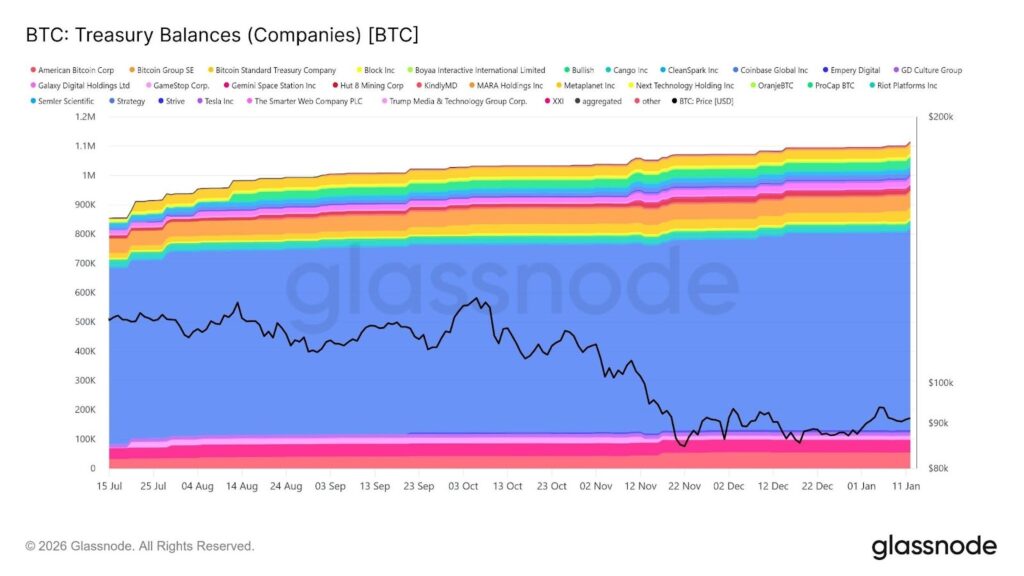
At the same time, corporate interest in Bitcoin kept growing, as holdings among public and private companies rose from about 854,000 Bitcoin to roughly 1.11 million over the last six months. This added up to an increase of around 260,000 Bitcoin at a steady rate of about 43,000 per month, highlighting how more businesses were building Bitcoin into their balance sheets based on glassnode reports.
Market Statistics and Trading Activity
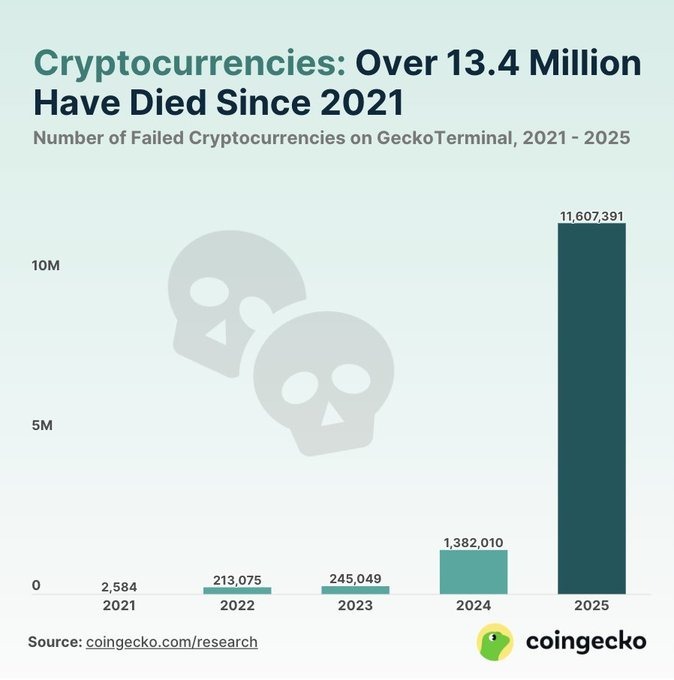
However, not all news about cryptocurrencies was positive. More than 11.6 million digital currencies failed just in 2025 alone, per coingecko data, showing the high failure rate in this space.
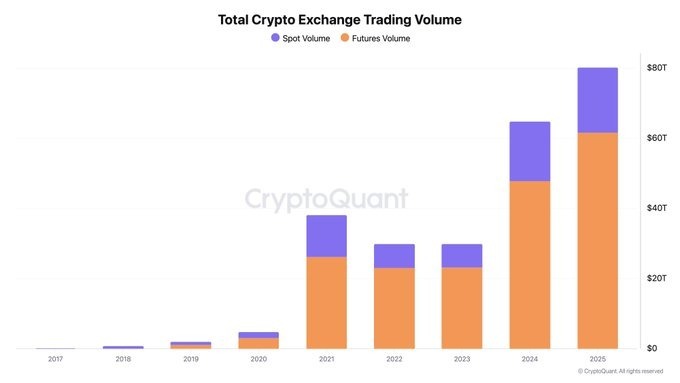
Trading volumes did grow, though, with combined activity on centralized exchanges (CEX) and decentralized exchanges (DEX) reaching 18 trillion USD in spot trading and 61 trillion USD in futures, as shared by ki_young_ju.
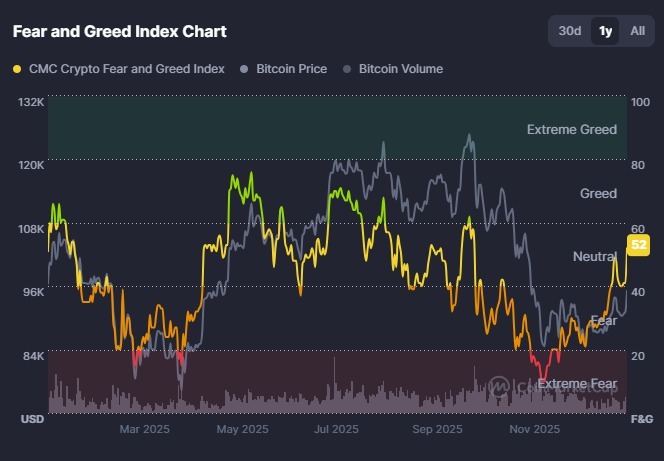
The Fear & Greed Index for crypto markets hit 52, levels not seen since before the October 10 crash, suggesting sentiment had returned to pre-crisis norms.
Price Sustainability Concerns
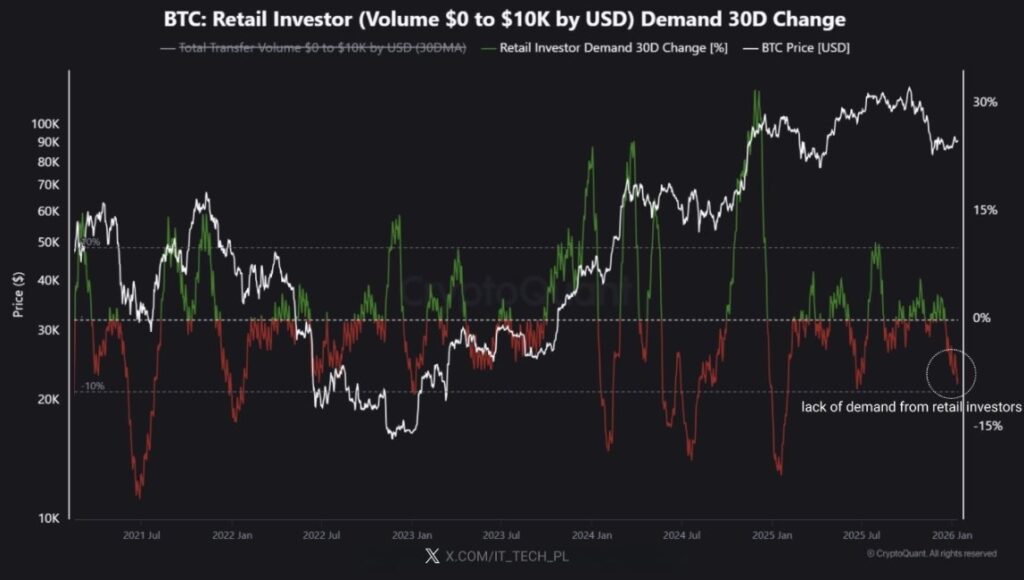
Bitcoin’s recent price movement also sparked discussion about its sustainability. The rise seemed driven more by large entities than individual investors, since small buyers’ demand stayed negative and personal participation remained low. This made the upward trend feel fragile and open to quick changes, with some wondering if it could reverse easily.
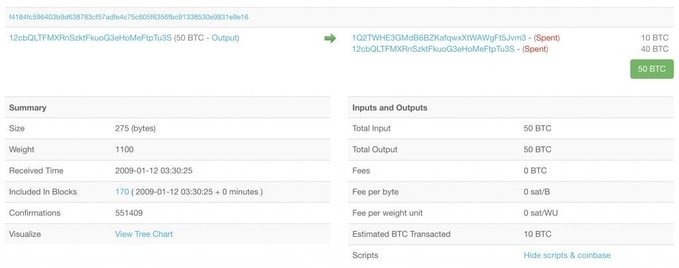
Looking further back, people marked the 17th anniversary of Bitcoin’s first recorded transaction, when Satoshi Nakamoto sent 10 Bitcoin to Hal Finney. This historical moment reminded everyone of how far the technology had come.
Explosive Growth and Associated Risks
The number of listed coins showed explosive growth in recent years, jumping from 428,383 in 2021 to 20,170,928 in 2025, according to coingecko statistics. Yet this expansion brought risks, with warnings about unknown DeFi applications that could hide serious problems like unaudited smart contracts, anonymous teams ready for rug pulls, fake liquidity, or hidden contract permissions that might freeze funds. Phishing links and fake interfaces added to the dangers, leading to calls for better verification of security audits, team transparency, and project histories before investing.
ETF Approvals and Institutional Adoption
Recent ETF Developments
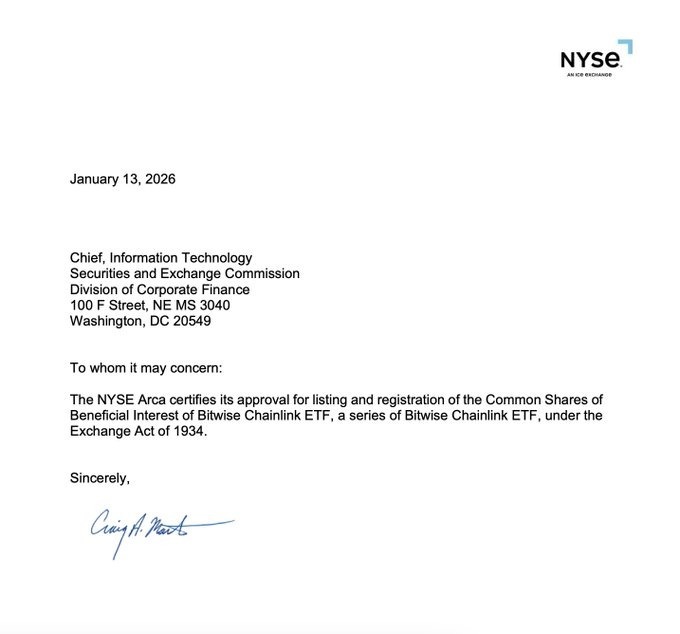
Institutional products for cryptocurrencies saw important updates this week. The Bitwise Chainlink ETF got approval for listing on NYSE Arca, with trading set to begin the next day, offering regulated access to Chainlink through traditional markets. On its first day, the fund recorded net inflows of 2.59 million USD.
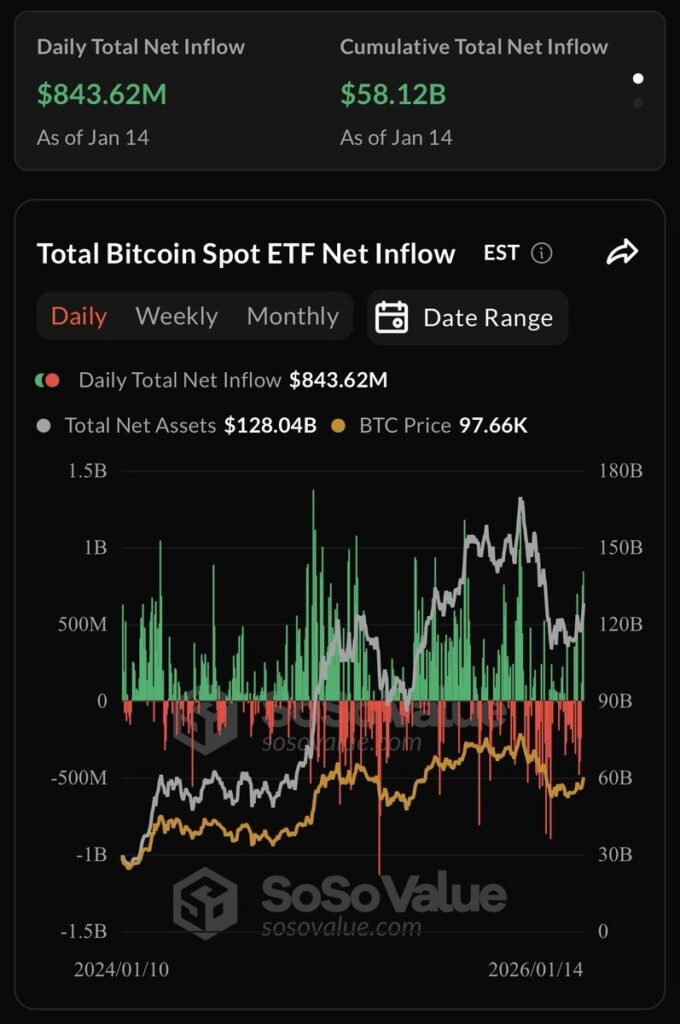
Bitcoin ETFs also performed strongly, attracting 830 million USD in a single session, with BlackRock’s IBIT fund taking the largest share at 648 million USD. Franklin Templeton announced updates to two money market funds to make them blockchain-ready.
Liquidity Concerns and Market Outlook
However, questions lingered about ETF liquidity returning fully. While short-term flows might come back, the overall trend still looked negative based on cryptoquant_com data.
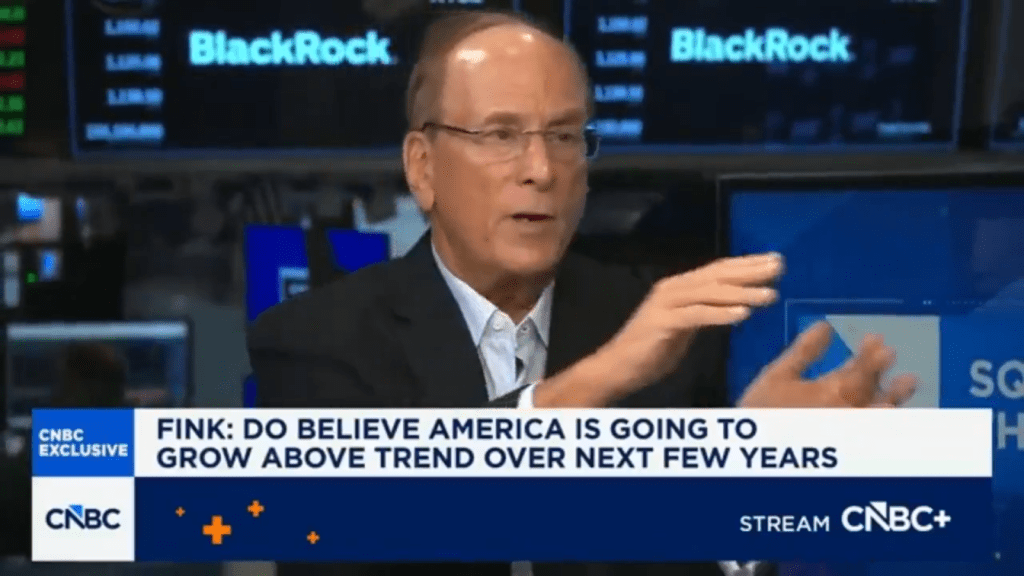
Cathy Wood from Ark Invest described Bitcoin as a strong tool for diversification, helping asset managers get better returns for each level of risk in her 2026 forecasts. Larry Fink echoed this view, saying investing felt safer than last year and that the bull market story remained alive despite the noise.
Divergence from Global Money Supply
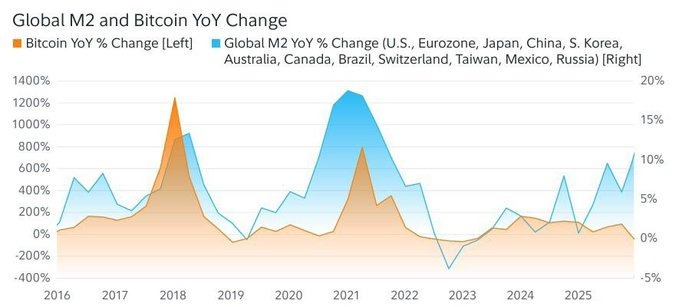
Bitcoin also showed signs of separating from global money supply trends, or M2, since mid-2025, with this gap widening into 2026. Some saw this as a test year, with positive scenarios involving global monetary easing and Bitcoin catching up later, versus negative ones where past separations signaled market peaks followed by long downturns. Institutions continued viewing Bitcoin as long-term value rather than short-term trades.
Regulatory and Legal Developments
Legislative Actions and Pauses
Regulation emerged as a major theme, adding uncertainty to crypto markets. The Senate Banking Committee paused a vote on market structure after Coinbase pulled support due to concerns over DeFi, tokenized stocks, privacy, and stablecoin incentives. This delay meant institutions stayed cautious, with capital waiting rather than committing.
Russia finished drafting legislation to legalize digital currency trading, while South Korea approved a framework for tokenized securities, moving toward official market integration. Senators Ron Wyden and Cynthia Lummis introduced the bipartisan Blockchain Regulatory Certainty Act to protect blockchain developers from money transmission rules.
Traditional Finance Reactions
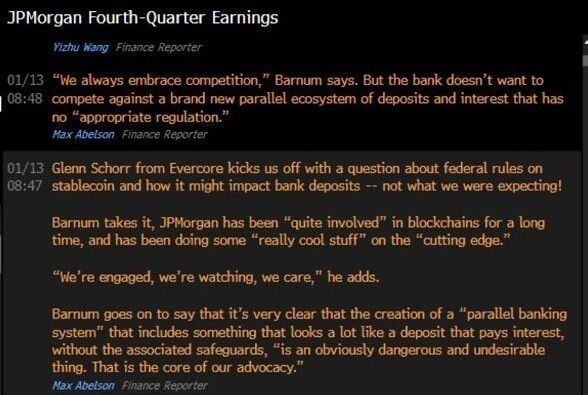
JPMorgan’s CFO called interest-bearing stablecoins “dangerous and undesirable,” arguing they threatened traditional bank business models. Visa partnered with BVNK to add stablecoin payments to Visa Direct, showing how traditional payment systems were adapting.
A bill to ban Congress members from trading stocks looked set to advance. Senator Elizabeth Warren warned that adding Bitcoin and cryptocurrencies to 401k plans could lead to “huge losses” for people. Franklin Templeton also updated money market funds for blockchain use.
Platform and Project Updates
Security concerns extended to projects like Kaito, which stopped its Yaps and incentive leaderboards after X platform revoked API access for InfoFi projects, citing spam and low-quality AI content. This move affected multiple projects and raised questions about whether it might bring back airdrop trends.
Economic Indicators and Interest Rates
Inflation Data
Economic data showed steady inflation readings, with the December CPI at 2.7% matching expectations, and core CPI at 2.6% slightly below forecasts.
Interest Rate Discussions
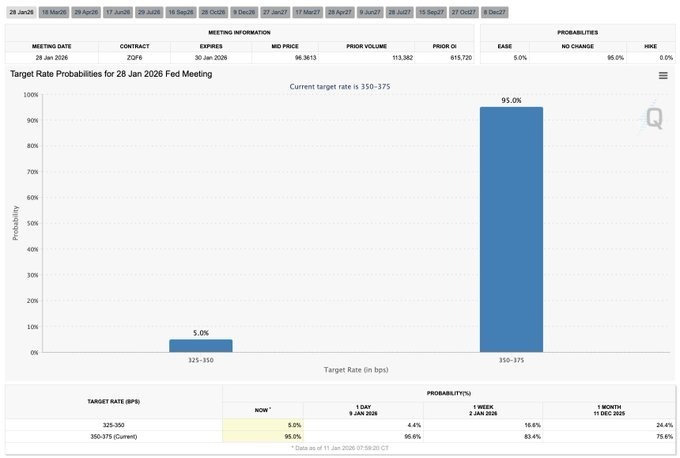
Interest rate discussions dominated, with Trump demanding Fed Chair Jerome Powell cut rates on good news, setting January 20 as a deadline for credit card rates to stay at 10%. Goldman Sachs adjusted forecasts, expecting two 25 basis point cuts in June and September, ending 2026 rates at 3%-3.25%, while lowering recession odds to 20%. CME Group gave only 5% odds for a January cut.
BlackRock’s Rick Rieder suggested Fed rates should drop to 3%. A criminal investigation opened against Powell for allegedly misleading Congress on Federal Reserve headquarters costs, raising questions about central bank independence as his term ends in May 2026. Treasury Secretary Scott Bessent warned Trump that Powell-related probes created “chaos” that could hurt markets. Trump denied any connection to the investigation, saying subpoenas had nothing to do with rates.
Political News and Trump Administration
Tariffs and Foreign Policy
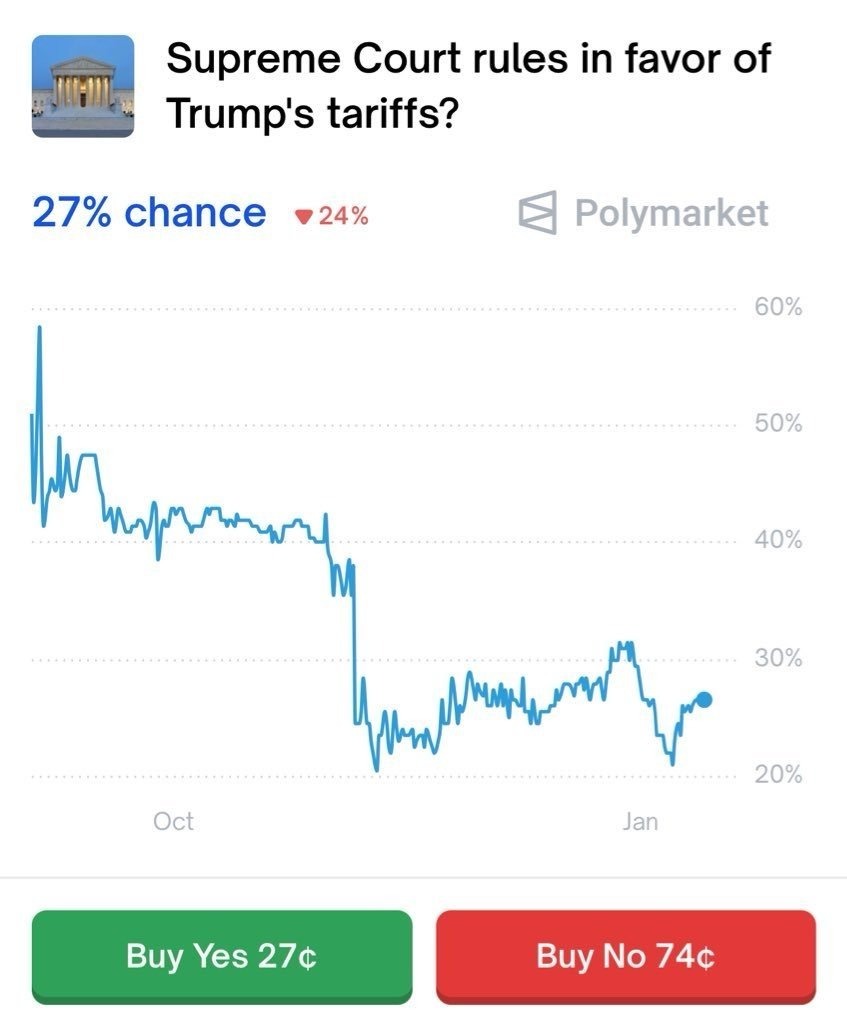
Political events centered heavily on Trump’s policies and statements. The Supreme Court delayed a ruling on his global tariffs appeal, with estimates giving 73% chance of declaring them illegal. Trump threatened “complete chaos” if tariffs were ruled invalid, potentially forcing return of trillions in dollars.
He also said any Iran action must be “quick and decisive,” though advisors noted rapid collapse wasn’t guaranteed. Trump suggested Americans might evacuate Iran, saying “help is on the way” without details.
Domestic Policy Statements
On domestic issues, Trump demanded tech giants like Microsoft pay data center electricity costs, called for lower oil prices, emphasized 401k plan strengthening, and declared an “economic boom” official.
His Arctic Commissioner said Greenland moves “will not be thwarted,” possibly within weeks or months. Danish officials prepared for talks with US representatives on January 14, while Greenland rejected any control intentions outright. Danish Foreign Minister Lars Lokke Rasmussen said his country was “ready to do more” on Greenland.
Additional Developments
Trump “doesn’t remember” promising 2,000 USD tariff checks to citizens, rescheduling any distribution to late 2026. Caroline Levitt reported an Iranian official contacted Steve Witkoff with a different private tone. US Mint suspended silver sales due to price swings and high metal costs.
Gold and Precious Metals
XAU and silver markets showed strong momentum, with one of the biggest bullish waves in years. Gold hit highs while silver moved with exceptional force, driven by dollar strength concerns, safe-haven demand, and technical breakouts. Traders watched RSI momentum and support levels, with high volatility creating opportunities in both directions.
Market Sentiment and Analysis
Investment Trends
Overall sentiment mixed caution with optimism. Financial advisors overwhelmingly planned to maintain or increase crypto exposure in 2026, per the Bitwise/VettaFi study.
ONDO token is facing its second major unlock on January 18, 2026, worth about 780 million USD or 57% of circulating supply, having already dropped over 60% since the first unlock in January 2025.
Possibility of US seizing Venezuela’s rumored 60 billion USD Bitcoin reserves remained unclear, with SEC Chairman Paul Atkins noting unproven estimates.
Expert Warnings and Forecasts
JPMorgan CEO Jamie Dimon warned Trump’s credit card interest cap could harm consumers and the economy. Ninety-nine percent of financial advisors who invested in digital assets in 2025 intended to keep or grow positions in 2026.
This week’s events highlighted how crypto, traditional finance, and politics continue intersecting, with regulatory clarity still pending and market participants navigating both opportunities and risks. The discussions showed a world where digital assets are becoming mainstream while facing real challenges from policy and security concerns. As 2026 progresses, these trends will likely shape how people think about money, investment, and global economics.
Not financial advice. Do your own research. For more market explainers and weekly recaps, read blog.millionero.com.
If you want to trade, you can use Millionero Spot for simple buys/sells, or MillioneroPerpetuals if you want futures tools (with proper risk control).