


This week was shaped by one clear message: markets are no longer moving on crypto news alone. Bitcoin, ETFs, US inflation, Treasury yields, global trade talks, stablecoin rules, and tokenized assets all moved together. Crypto remained active, but the broader macro environment became heavier as bond yields rose, inflation fears returned, and investors started to price in a longer period of high interest rates.
Bitcoin Faces ETF Outflows Near the $80K Area
Spot ETF Momentum Turns Negative
After six straight weeks of ETF inflows, the trend reversed this week. US spot Bitcoin ETFs saw around $1 billion in net outflows, and the average seven-day net flow dropped to -$88 million per day, marking the largest outflow wave since mid-February.
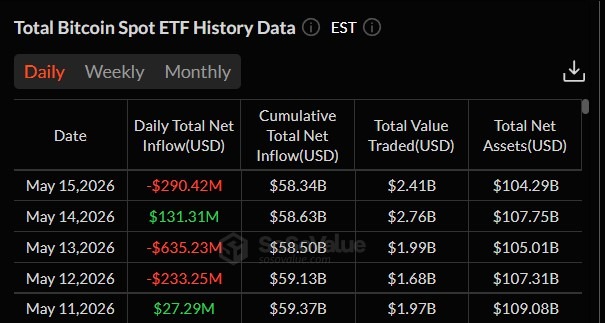
The important part is the timing. These outflows happened while Bitcoin was trading near $80,000, not during panic or extreme weakness. That suggests some institutions may have used the recent recovery to exit positions instead of adding exposure during strength.
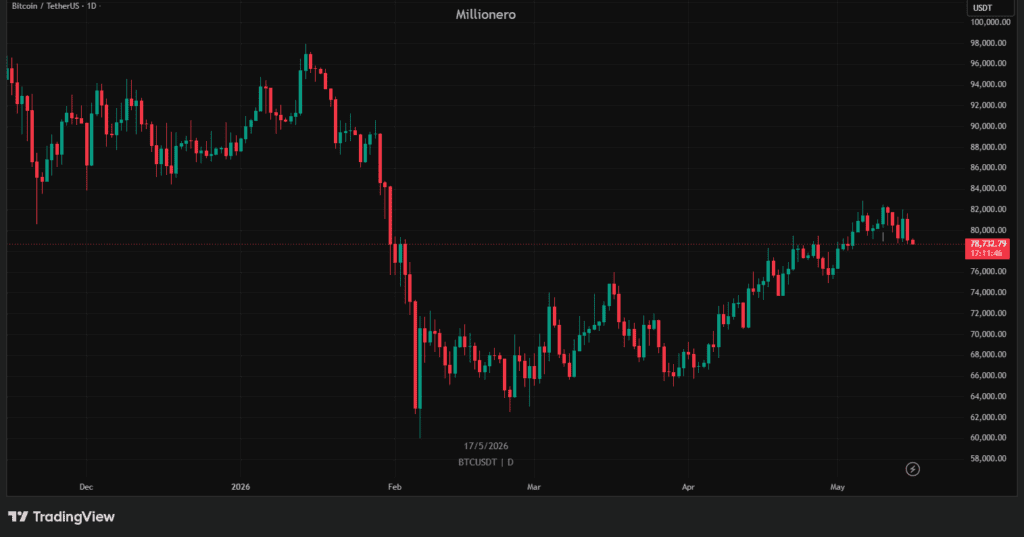
Bitcoin also rejected the $80,000–$85,000 zone and was trading below $79,000 during the weekend.
There was also speculation that Michael Saylor may have absorbed much of this ETF selling pressure, since he raised at least $1 billion through sales of STRC preferred stock. This has not been confirmed yet, but it became part of the week’s market discussion.
Bitcoin Supply on Exchanges Stays Low
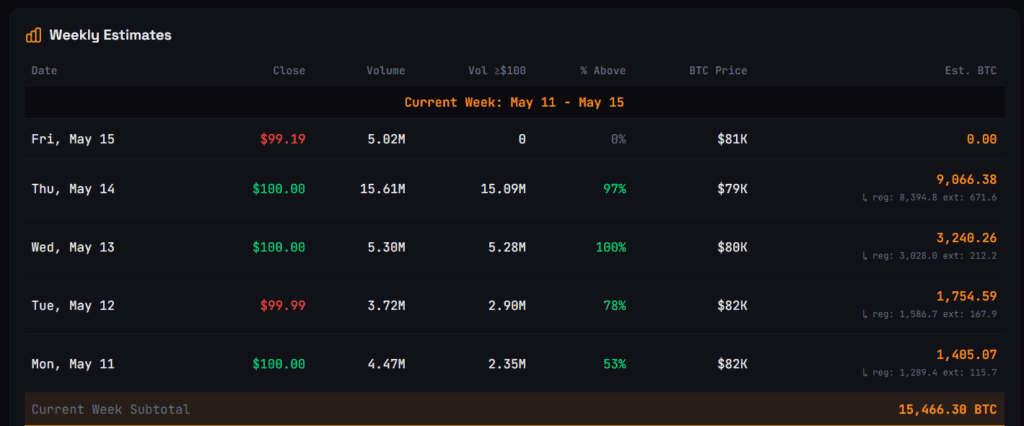
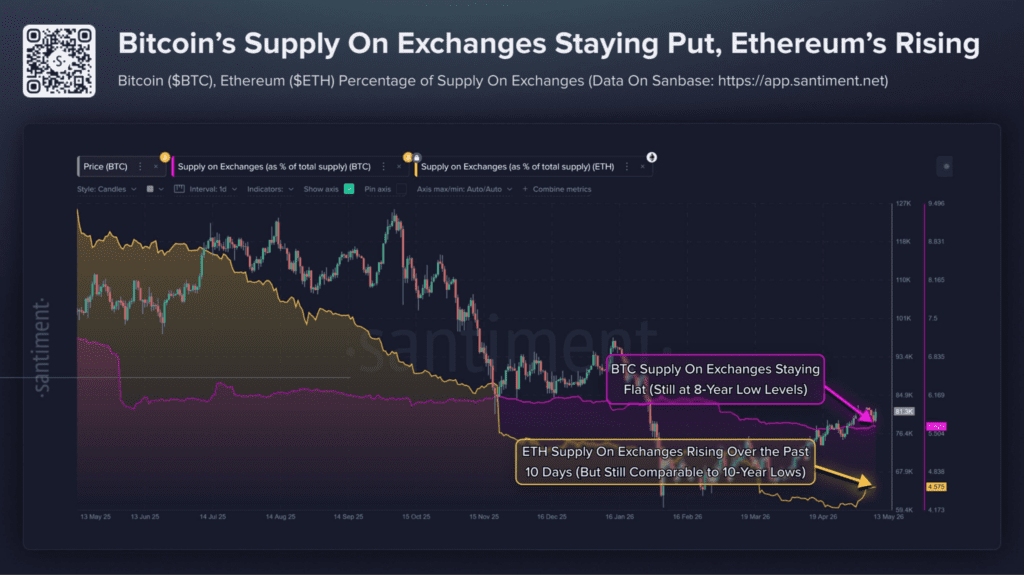
Bitcoin’s supply on exchanges stabilized at 5.6%, its lowest level since 2018. This points to a tight exchange supply environment, which can support long-term bullish arguments.
Ethereum showed a different pattern. Its supply on exchanges rose to 4.6%, which may suggest more readiness for selling or trading.
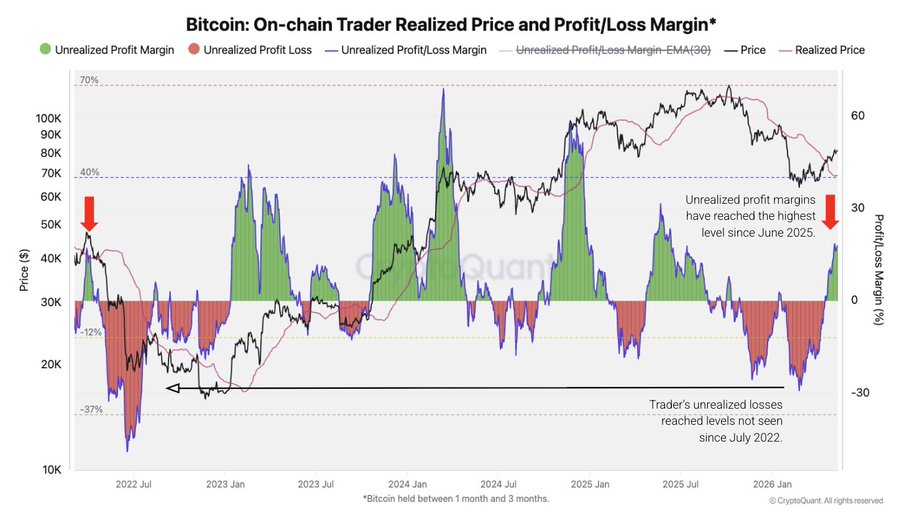
At the same time, Bitcoin traders’ unrealized profits rose to 17.7%, the highest level since June 2025. This shows that trader positions improved after the recent recovery. However, high unrealized profits can also increase the chance of profit-taking and short-term volatility.
Macro Pressure Returns: Inflation, Yields, and Stocks
US Inflation Comes in Hotter Than Expected
US inflation came in higher than expected again. Annual CPI reached 3.8%, above expectations of 3.7%. Annual Core CPI reached 2.8%, above expectations of 2.7%.
After the data, the chance of a rate cut this year dropped to only 3% according to Fed futures contracts. Markets also began pricing in a 54% chance of a rate hike before next June. Pimco’s investment director warned that rising energy costs could push the Fed toward further tightening.
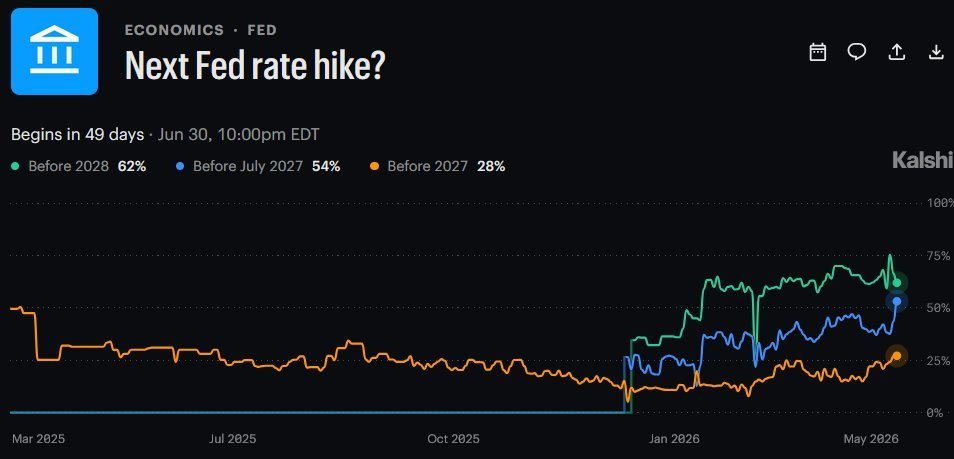
This puts the Federal Reserve in a difficult position between inflation, growth, and market stability.
Treasury Yields Rise and “Higher for Longer” Returns
The US 10-year Treasury yield moved above 4.50% for the first time since June 2025. This was the same level that previously pushed Trump to announce a 90-day tariff freeze in April 2025.
Markets also began treating a rate hike as a possible baseline scenario. The average 30-year mortgage rate approached 7%, while inflation reached its highest levels in three years.
This brought the “higher for longer” rate policy back into focus. Stocks, real estate, and crypto all felt the pressure.
US Stocks Lose Nearly $1 Trillion
The US stock market lost nearly $1 trillion in market value during the latest session. The pressure came from rising bond yields, renewed inflation fears, and stronger expectations that high interest rates may last longer.
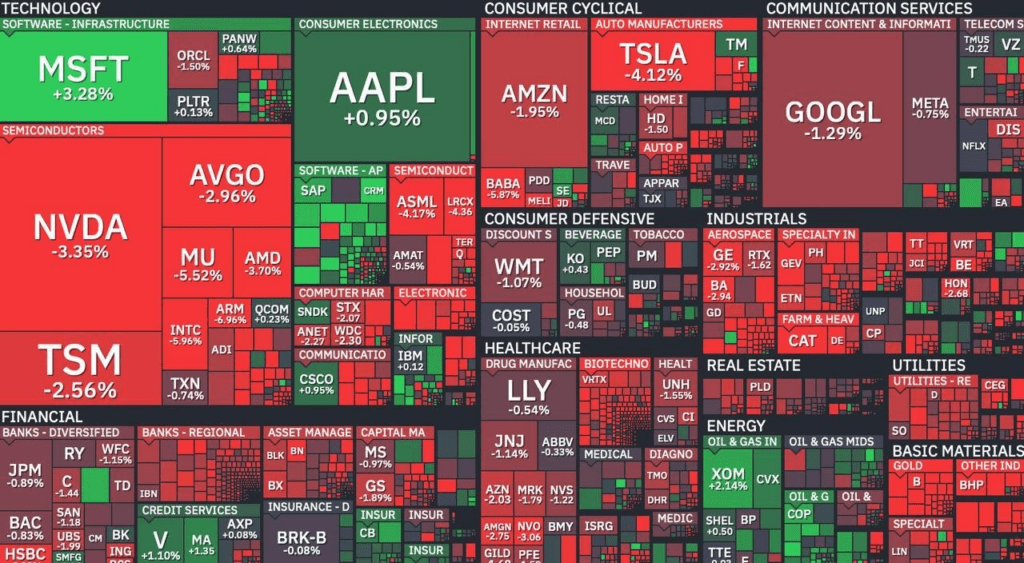
This showed how sensitive markets have become to any shift in monetary policy or economic data. The week made it clear that volatility has not ended.
The Labor Market Depends Heavily on Healthcare
The US labor market also showed a deeper weakness under the surface. Since December 2023, the healthcare and social assistance sector added 1.76 million jobs, while the rest of the private sector combined lost around 127,800 jobs.
Private sector employment excluding healthcare declined in 14 of the last 25 months, with an average monthly drop of nearly 12,000 jobs over the past year. The largest decline came in February, when the private sector outside healthcare lost 110,000 jobs.
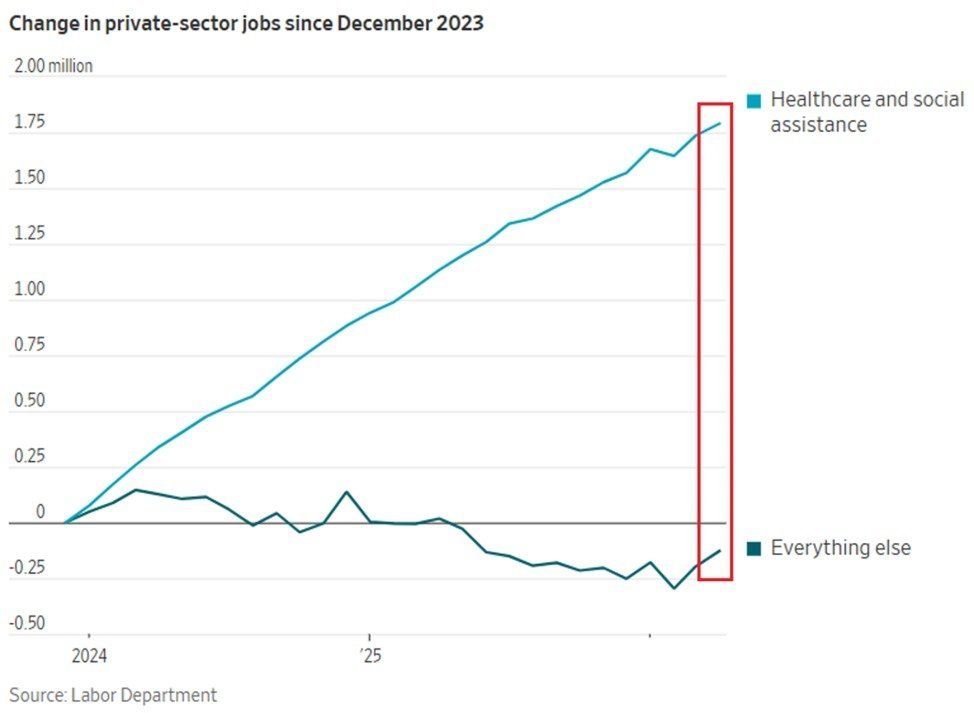
This suggests that US labor strength is becoming increasingly dependent on medical services, while other sectors are slowing down.
Global Bond Markets and Liquidity Signals
Japan’s Bond Market Sends a Warning
Japan’s 30-year bond yield hit an all-time high. Its 20-year yield reached 3.32%, and its 10-year yield reached 2.52%, the highest level this century.
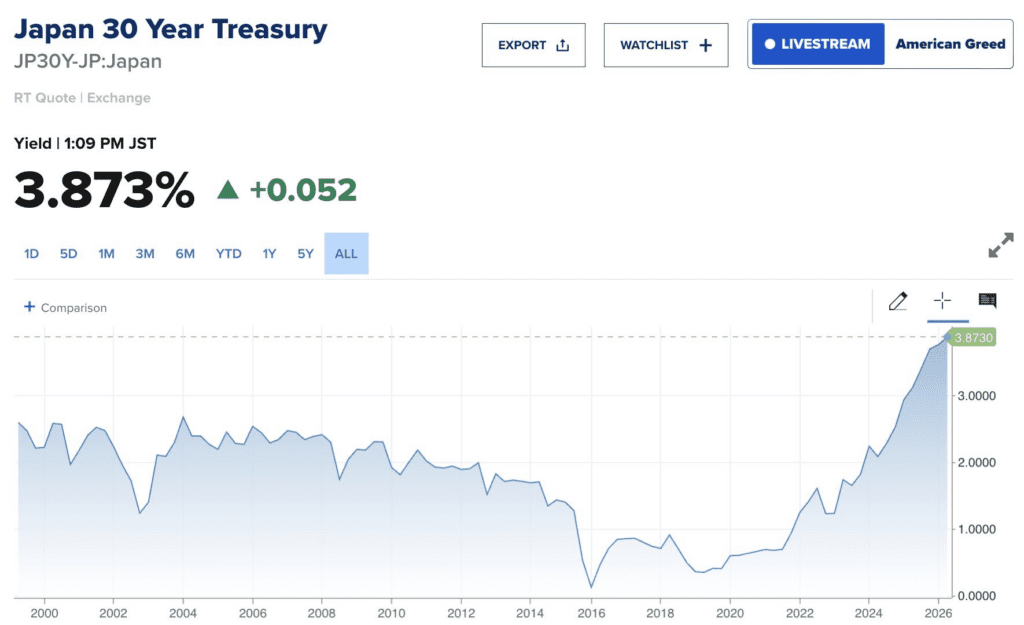
Japan is the world’s largest debt buyer, so higher Japanese yields matter far beyond Japan. When Japan starts demanding higher returns, the pressure can spread across global debt markets.
Customs Duty Refunds Could Add Liquidity
Around $166 billion in customs duty refunds could begin flowing after the Supreme Court overturned customs duties imposed under the IEEPA law during the Trump era.
This money could return to corporate balance sheets. Risk assets, including stocks and crypto, watched closely for any signs that part of this liquidity could move back into markets.
US Crypto Regulation Moves Into a Major Phase
CLARITY Act Reaches a Critical Point
The US Senate released the final version of the crypto market regulation bill, moving long-awaited regulatory clarity forward officially.
The CLARITY Act then moved toward the US Senate Banking Committee. More than 100 amendments were submitted ahead of the vote, while Elizabeth Warren alone introduced more than 40 amendments.
Bipartisan talks broke down over two main points: ethics rules related to the President’s family and protections for non-custodial wallet and app developers.
Senator Lummis said there was agreement on 99% of the bill, but expectations pointed to the bill passing the committee mainly through Republican votes. At the same time, five crypto-supporting Democrats remained a possible surprise factor.
Fidelity, which manages $7 trillion, announced support for the bill. Coinbase’s CEO said the bill was “closer than ever.” Democrats also introduced an amendment to ban using crypto as legal tender.
The deeper battle is expected to come later at the final Senate vote.
Elizabeth Warren Attacks the Bill
Elizabeth Warren strongly criticized the CLARITY Act and said it could “blow up the economy.” She argued that the bill could push a larger part of the US economy toward crypto.
Her criticism showed how intense the regulatory fight has become. The bill is no longer only about crypto market structure. It has become part of a larger political debate over how much digital assets should enter the US financial system.
Stablecoins and Tokenized Finance Expand Worldwide
Bank of England Softens Stablecoin Restrictions
The Bank of England prepared to ease planned restrictions on stablecoins after pressure from the financial sector. The new changes may give digital currency companies and banks more flexibility in using stablecoins inside the British financial system.
UAE Allows Government Fee Payments With Crypto
The UAE now allows residents in Dubai to pay government service fees using digital currencies and Bitcoin. This followed Crypto.com’s UAE branch receiving an SVF license from the Central Bank of the UAE.
The license also allows the platform to begin integrating digital payments with Emirates Airlines and Dubai free zones.
Saudi Arabia Pushes Tokenized Real Estate
Saudi Arabia moved toward tokenizing parts of its massive economy, starting with real estate. The CEO of droppRWA said the company secured $12.5 billion in mandates.
Real estate settlements using stablecoins are expected by the end of 2026. By 2030, Saudi Arabia may have a sovereign-level tokenized financial system that uses blockchain widely.
Japan Prepares a Yen-Pegged Stablecoin
A blockchain network backed by major Japanese companies is preparing to launch a yen-pegged stablecoin for corporate-to-corporate settlement. The goal is to speed up business payments and reduce transfer costs for institutions.
RWA Market Reaches $30.9 Billion
The tokenized Real World Assets market reached $30.9 billion, growing 44% since the start of the year and 203% compared to last year.
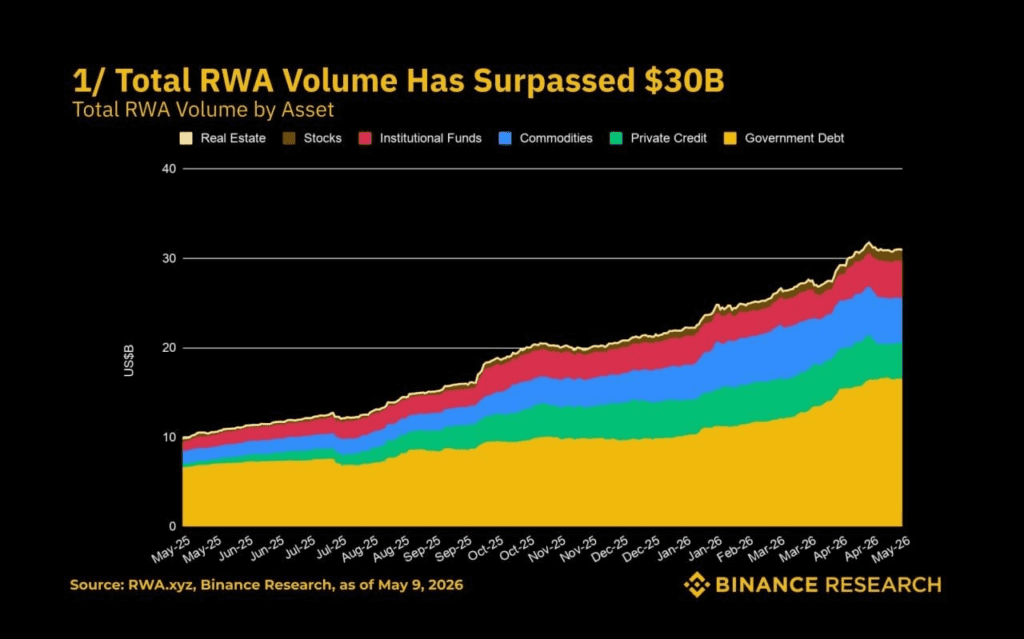
Tokenized government debt is leading this growth, as institutions increasingly use blockchain to represent traditional assets.
Institutions Keep Moving Into Crypto Infrastructure
JPMorgan Gains Solana Exposure
JPMorgan revealed in its latest Q1 13F filings that it holds a $523,000 investment position in Bitwise’s SOL custody fund. The bank had been cautious toward crypto, but this shows increased Solana exposure through regulated ETF products.
JPMorgan Warns About Ethereum and Altcoins
JPMorgan also warned that Ethereum and altcoins may continue to underperform compared to Bitcoin. The bank linked this weakness to a lack of strong improvement in network activity, decentralized finance, and real-world blockchain applications.
Institutional attention appears to be shifting toward actual usage and adoption rather than speculation or narratives. For now, Bitcoin still seems to be capturing the largest share of institutional liquidity interest.
Charles Schwab Opens Bitcoin and Ethereum Trading
Charles Schwab officially launched instant Bitcoin and Ethereum trading for individual clients. This is important because Schwab manages $12 trillion in assets and has 39 million brokerage accounts.
Many users who never used crypto platforms can now buy BTC and ETH inside the same app where they hold retirement and traditional investment accounts.
Grayscale Files for a ZEC Spot ETF
Grayscale filed to launch the first spot ETF linked to a privacy coin by converting its ZEC Trust. If approved, this could become a major precedent for privacy coins inside regulated markets.
Privacy coins have faced heavy regulatory pressure in the past, so approval would open a new door for institutional access to that sector.
Solana, Base, Hyperliquid, and Onchain Activity
Alameda Moves More SOL
Alameda Research’s wallet became active after a full month and moved $19.45 million worth of SOL to new addresses. Alameda still holds around $322 million in SOL.
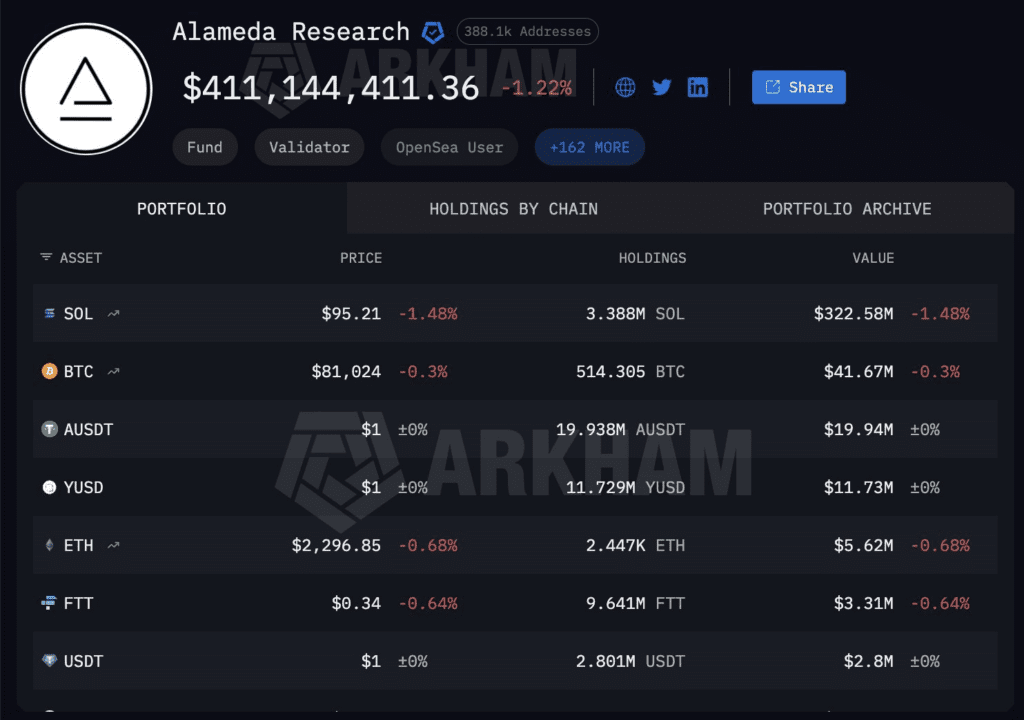
These movements appear to happen monthly. At the current pace, Alameda’s Solana distribution may continue until September 2027.
Solana’s Alpenglow Update May Affect MEV
Solana co-founder Anatoly Yakovenko said the Alpenglow update will have a “quiet but big” impact on MEV.
He explained that if any Slot is delayed after the deadline, leaders lose all following Slots. This makes the cost of delay highest in the first Slot and lowest in the last Slot.
The update could change how validators and traders handle MEV opportunities on Solana, improving efficiency and reducing some exploitative methods.
x402 Enables Tiny Payments
The x402 system now supports aggregated payment settlement, allowing very small payments under $0.0001. This is useful for pay-per-use resources such as computing power and AI inference.
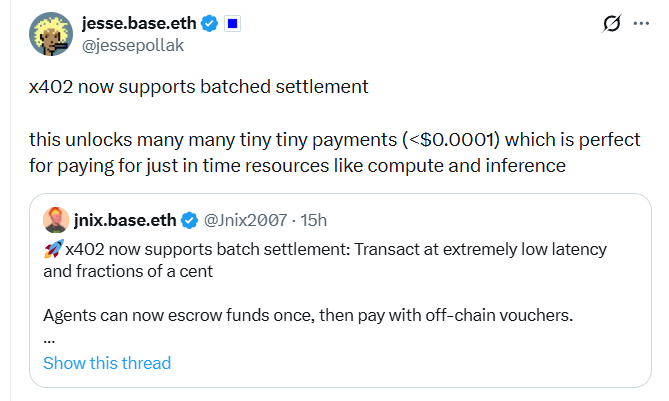
This type of payment system could become important for AI agents, automated services, and blockchain-based machine-to-machine payments. Base may benefit strongly from this direction.
Ondo Tokenized Stocks Reach HyperEVM
Ondo Finance tokenized stocks became bridgeable to Hyperliquid’s HyperEVM through LayerZero. This opens the door for advanced strategies such as Basis trades and Delta-Neutral hedging on supported markets.
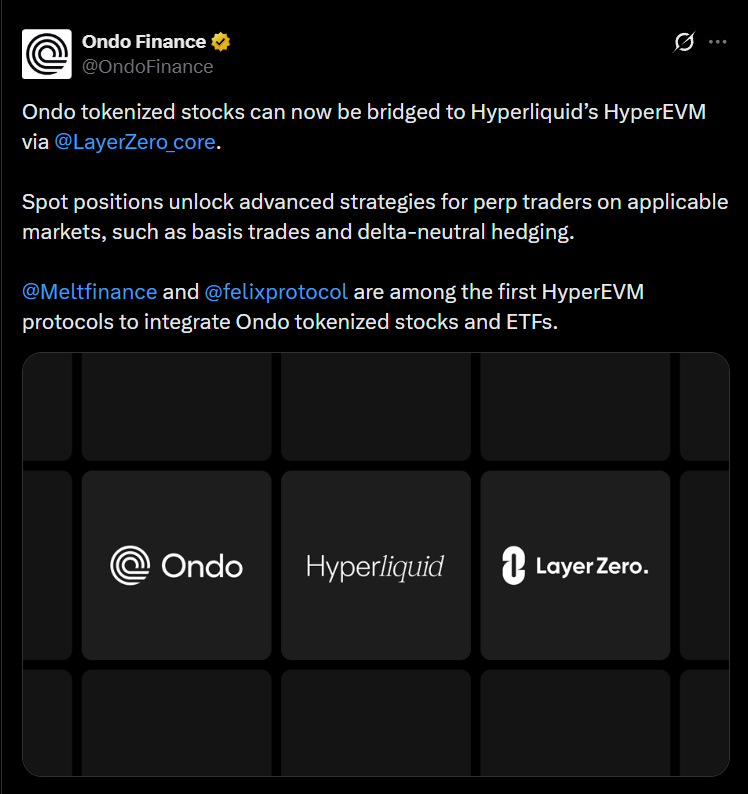
Melt Finance and Felix Protocol became among the first HyperEVM projects to integrate tokenized stocks and ETFs. This shows the continued merging of traditional finance and decentralized finance.
HYPE Rallies After USDC Partnership News
The HYPE token jumped 19.2% after the announcement of a Coinbase and Circle partnership around USDC.
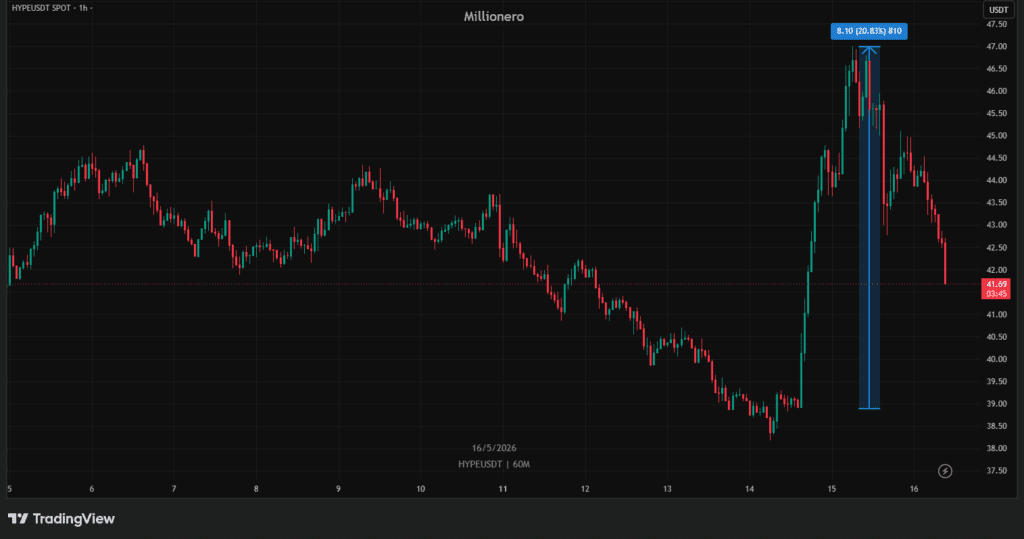
The agreement is expected to direct USDC treasury yield revenue to Hyperliquid, potentially supporting HYPE buybacks of around $146 million per year. The market started treating Hyperliquid as a direct winner from stablecoin growth and institutional yield activity.
Security and Infrastructure Problems Remain
THORChain Suffers Multi-Network Hack
THORChain appeared to suffer a multi-network hack involving Bitcoin, Ethereum, BSC, and Base. Initial estimates placed losses above $7.4 million.
Security teams and the community continued monitoring the situation to understand the details of the attack.
Ord.io Will Shut Down
Ord.io, a platform used to explore Bitcoin Ordinals, will officially shut down on June 1.
The platform was one of the main tools for tracking and managing Ordinals activity during the major wave of interest in Bitcoin-based tokenized assets. Its closure raised questions about the future of some infrastructure projects tied to Bitcoin Ordinals as market trends shift.
US-China Talks Become a Market Event
Trump and Xi Meet With Major Economic Stakes
Trump and Chinese President Xi Jinping entered high-stakes talks that could affect global markets. The topics included Iran, Taiwan, nuclear weapons, artificial intelligence, and trade between the world’s two largest economies.
A major business delegation joined Trump’s China visit. The names included Jane Fraser from Citi, Tim Cook from Apple, Elon Musk from Tesla, Larry Fink from BlackRock, David Solomon from Goldman Sachs, Stephen Schwarzman from Blackstone, Ryan McInerney from Visa, Michael Miebach from Mastercard, Kelly Ortberg from Boeing, and Chuck Robbins from Cisco.
The delegation covered technology, banking, semiconductors, aviation, and payments. Markets watched closely for signals on trade, AI, and tech restrictions.
AI and Semiconductors Stay Central
Elon Musk, Tim Cook, and Nvidia CEO Jensen Huang appeared in China alongside Trump and Xi Jinping. Their presence showed that AI, semiconductors, and technology competition are now central parts of geopolitical balance.
The summit had no major breakthrough at first, but also no major escalation. Xi warned about Taiwan tensions while also speaking about cooperation and shared prosperity. Trump said US-China relations would be “better than ever.”
Later, Trump said the United States had “struck some fantastic trade deals” with China. Any real progress in trade agreements could affect stocks, supply chains, and crypto markets quickly.
Crypto Sentiment: Weak Price Action, But Not a Dead Market
A major theme this week was the question of whether crypto is truly “dead” because traditional markets, especially the S&P, appear stronger while Bitcoin and crypto remain stuck.
The answer depends on what is driving traditional markets. Much of the strength in traditional equities is coming from AI. Without AI companies, many stocks have not moved much. This makes it unfair to compare Bitcoin directly with an AI-led stock market boom.
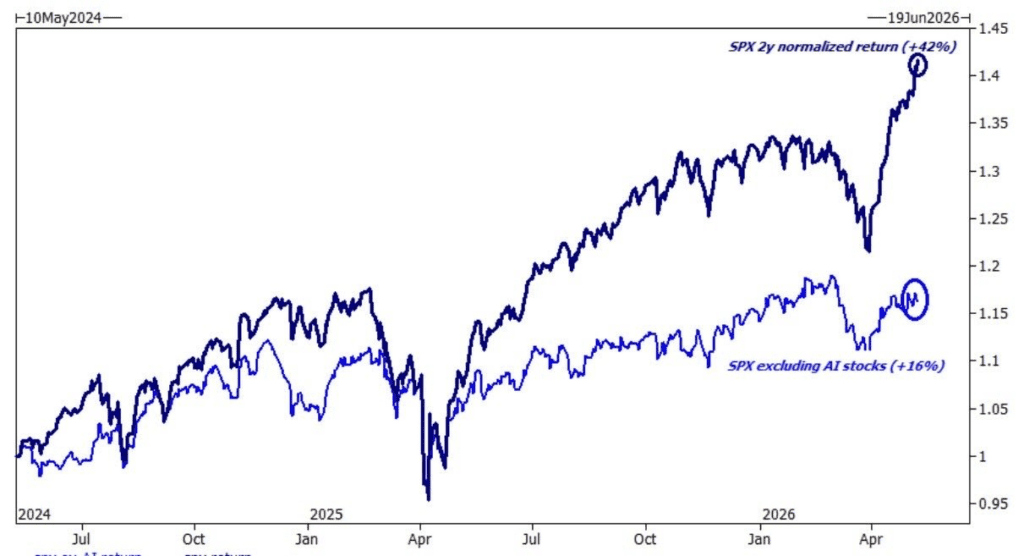
Crypto still has several active long-term forces:
Regulatory clarity is getting closer, especially in the US
Institutions are entering through ETFs, brokerage platforms, stablecoins, and tokenized assets.
Market cleanup is removing failed projects.
Adoption and development remain stronger than in previous cycles.
The key issue is liquidity. Right now, attention is concentrated on AI. Liquidity often rotates, and crypto may need more time before broader capital returns. The strongest projects are still those with real revenue, users, and active development.
Final Takeaway
This week showed a market caught between crypto adoption and macro pressure.
On one side, institutions kept moving deeper into crypto through Schwab, JPMorgan, Grayscale, stablecoins, tokenized assets, and regulated products. The CLARITY Act pushed US crypto regulation closer to a historic decision. Global governments and financial systems also moved further toward blockchain settlement and tokenized finance.
On the other side, Bitcoin faced ETF outflows, inflation came in hotter than expected, Treasury yields rose, and rate-cut hopes almost disappeared. Stocks lost nearly a trillion dollars in value, and markets began to fear that high interest rates may stay for longer.
So the week did not show a dead crypto market. It showed a market under pressure, waiting for liquidity, policy clarity, and macro relief. Crypto development continued, but price action remained tied to the same forces moving the entire financial system: inflation, yields, liquidity, and confidence.
Crypto markets can move quickly, especially during weeks shaped by ETF flows, inflation data, regulation, and global liquidity shifts. Always do your own research, manage risk carefully, and never trade based on headlines alone. You can explore market opportunities on Millionero Exchange and keep learning through the Millionero Blog.