


This week was shaped by a clear mix of market pressure, regulatory movement, tokenization growth, geopolitical tension, and major blockchain updates. Bitcoin faced heavy selling pressure from ETF outflows and Iran-related fears, while US stocks reached new highs as investors reacted positively to hopes of de-escalation between the United States and Iran. At the same time, tokenized assets kept gaining momentum, with major developments on Stellar, Solana, and Paxos.
Bitcoin Came Under Pressure From ETFs, Iran Fears, and Liquidations
Bitcoin ETF Outflows Deepened
Bitcoin ETFs recorded a cumulative weekly outflow of $1.42 billion, showing a clear shift in institutional behavior during the week. The strongest single signal came from BlackRock’s Bitcoin fund, IBIT, which recorded $527.8 million in outflows on May 27, its largest daily outflow since launch.
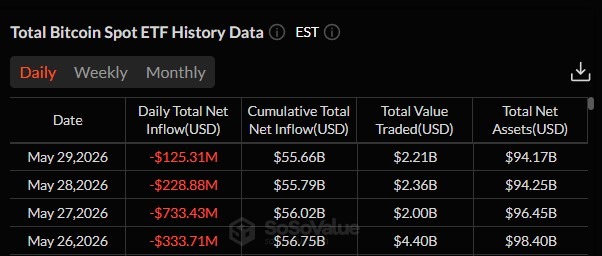
This happened while markets were dealing with geopolitical concerns, rising bond yields, and growing caution toward high-risk assets. Bitcoin also dropped to $72,000 after escalation between the United States and Iran, with liquidations worth around $1 billion, most of them from long positions.
Bitcoin Entered a “High Risk” Zone
Bitcoin’s risk profile also worsened. The Bitcoin Risk Index rose to 33/100, a reading classified as “High Risk.” May shifted from a strong accumulation phase into what looked like institutional distribution, with rising ETF outflows, more selling pressure, and growing Iran-related concerns.
The current deterioration in the risk index was compared to warning signals that appeared before Bitcoin’s 2022 crash, which later ended with a drop of nearly 35%. This does not mean the same move must happen again, but it shows that risk conditions became more fragile.
US Stocks Hit New Highs as Fear Dropped
While Bitcoin faced pressure, US equities moved in the opposite direction. The Dow Jones, S&P 500, and Nasdaq closed at new all-time highs, while the VIX fear index dropped.
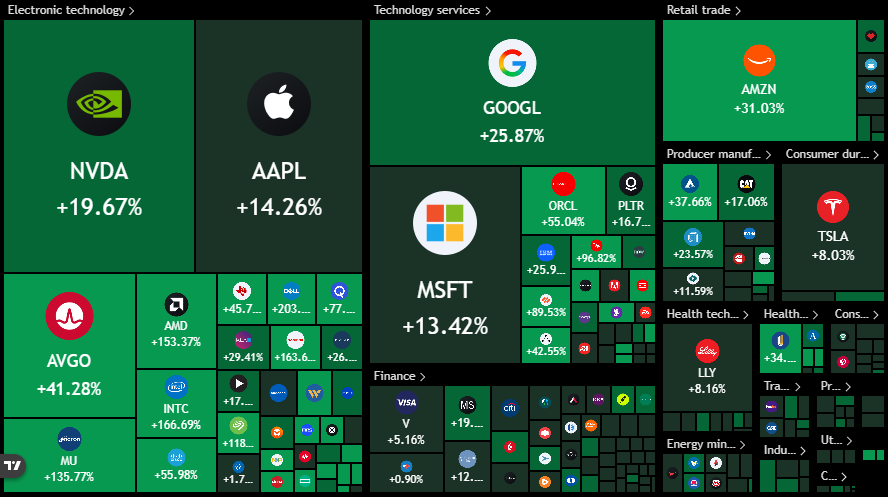
Markets reacted positively to hopes for a possible agreement between the United States and Iran. This reduced concerns around energy, inflation, and supply chains. The lower VIX also showed that market anxiety had eased, and investors were again more willing to hold risk assets.
The “Trump Put” Remained in Focus
US stocks have become extremely important to American household wealth. The share of household wealth held in the stock market reached its highest level in history, even above the dot-com bubble period in 2000.
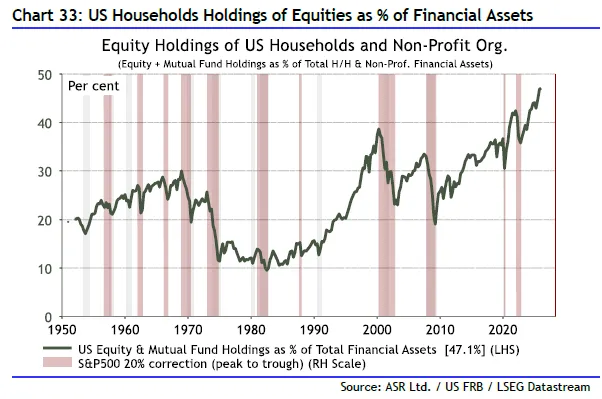
This means a sharp stock market drop could hurt consumer confidence, spending, and the wider political and economic mood in the United States. Because of that, some market watchers still see a “Trump Put” in place, meaning the administration may remain focused on supporting markets and preventing a major crash.
Bond Yields, Treasury Demand, and Weak Consumer Confidence Added Pressure
Foreign Treasury Holdings Fell to the Lowest Level Since 2012
Foreign holdings of US Treasury securities at the Fed dropped to $2.68 trillion, the lowest level since 2012. This reflects weaker foreign demand for US debt.
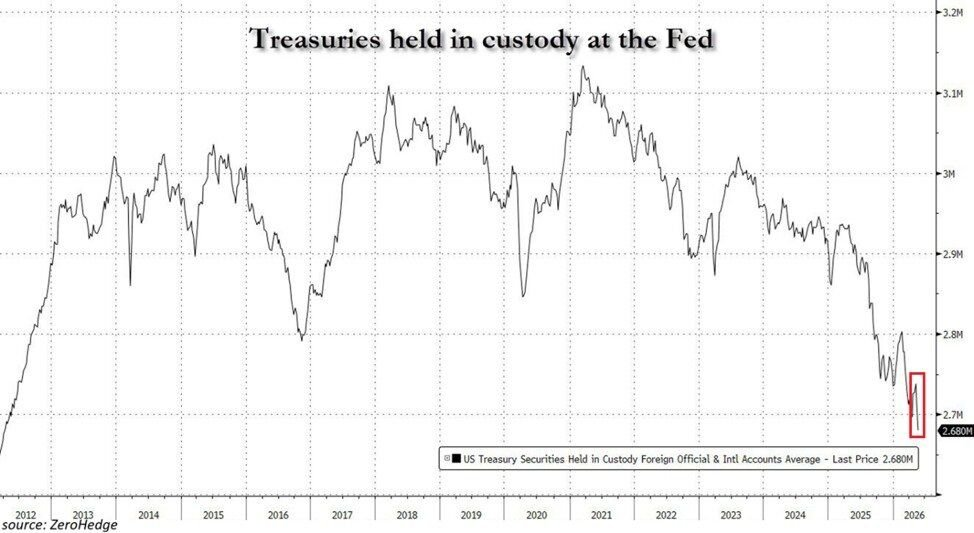
The drop came alongside rising US yields, geopolitical tensions, and reserve diversification away from the dollar. If foreign demand keeps weakening, the US debt market could face more pressure, and deficit financing may become more costly over time.
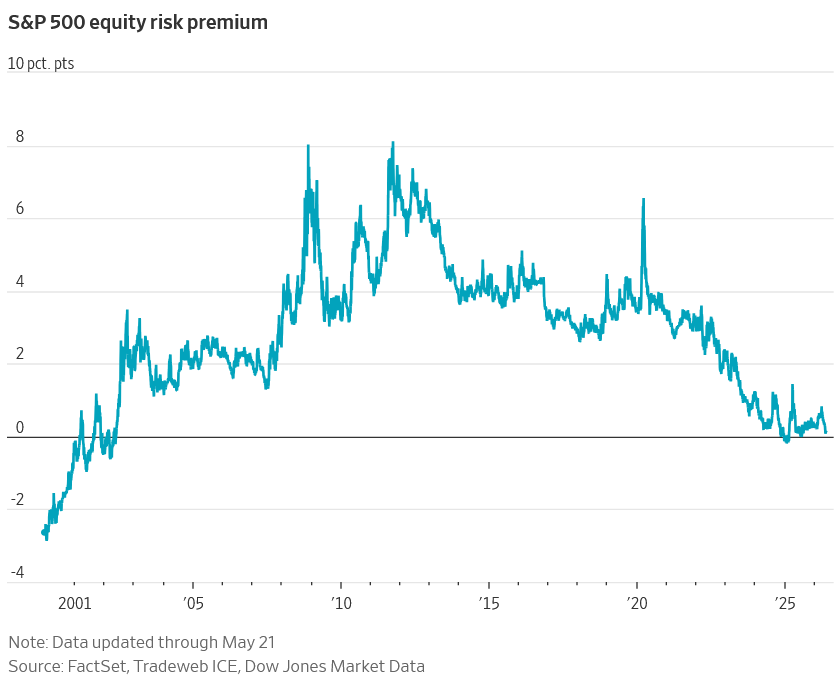
Equity Risk Premium Nearly Disappeared
Markets also started asking a simple question: why own stocks when bonds now offer almost the same return?
The equity risk premium fell close to disappearing entirely, reaching its lowest level since the dot-com bubble burst in 2000. Stocks are barely offering higher expected returns than safer government bonds, while still carrying much larger downside risk. This is forcing investors to rethink how they price risk and how they allocate liquidity between stocks and bonds.
US Economic Confidence Fell Sharply
The Gallup Economic Confidence Index dropped to -45 in May, its lowest level since October 2022. The data also showed that 76% of Americans believe the economic situation is getting worse.
This decline came amid persistent inflation, high interest rates, and cost-of-living pressure. Consumer sentiment has become an important signal for markets because it can affect spending, risk appetite, and expectations of a slowdown.
US Crypto Regulation Moved Forward
Bitcoin Perpetual Futures Were Approved in the United States
For the first time in history, Bitcoin perpetual futures were approved in the United States. This is a major moment because perpetual futures dominate billions of dollars in Bitcoin and crypto trading across offshore markets.
The move brings one of the most important crypto derivatives products into the US market. It could attract more institutional liquidity and give American investors more advanced trading tools.
The US Wants to Lead Crypto Regulation
US Representative Tom Emmer said the United States is currently leading in crypto market regulation legislation. He also said Washington is working to strengthen its position as the “crypto capital of the world.”
This comes as laws like the CLARITY Act continue to move forward, aiming to create a clearer framework for digital assets and on-chain markets. Crypto regulation has now become part of the wider US economic and political strategy.
Crypto Spending in the 2026 Elections Passed $500 Million
Crypto-linked political action committees and sector executives have poured over $500 million into the 2026 US elections. Reports showed that Republican candidates received far more support than Democrats.
Crypto is now a major financial force in Washington. The 2026 elections may become closely tied to the future of crypto regulation in the United States.
Ripple and Elizabeth Warren Clashed Over Crypto Banking Licenses
A new conflict opened between Ripple and Senator Elizabeth Warren over crypto banking licenses. Warren joined with banks she had previously criticized to target Ripple and other crypto companies holding OCC Trust Charters.
Warren argued that these companies have effectively become crypto banks trying to avoid the core safeguards and obligations of traditional banks. In response, crypto companies pushed back strongly, with BitGo CEO Mike Belshe saying Warren was attacking the institutional custody framework that was designed to prevent disasters like FTX.
The fight has shifted from general regulation to a deeper question: who gets to become the bank of the future?
Tokenized Assets Gained More Institutional Attention
Stellar Jumped After DTCC Tokenization Plans
Stellar (XLM) rose more than 50% during the week after DTCC announced plans to integrate its tokenized securities platform with the Stellar network.
DTCC is one of the most important financial market infrastructure institutions in the world. This makes the move an important signal for institutional interest in tokenized assets. A future integration could give Stellar a larger role in the settlement and trading of securities on-chain.
Tokenized Stock Holders on Solana Hit a New High
The number of tokenized stock holders on Solana reached a new all-time high of 200,000 users. This shows the fast growth of tokenized equities and rising interest in trading traditional assets on-chain.
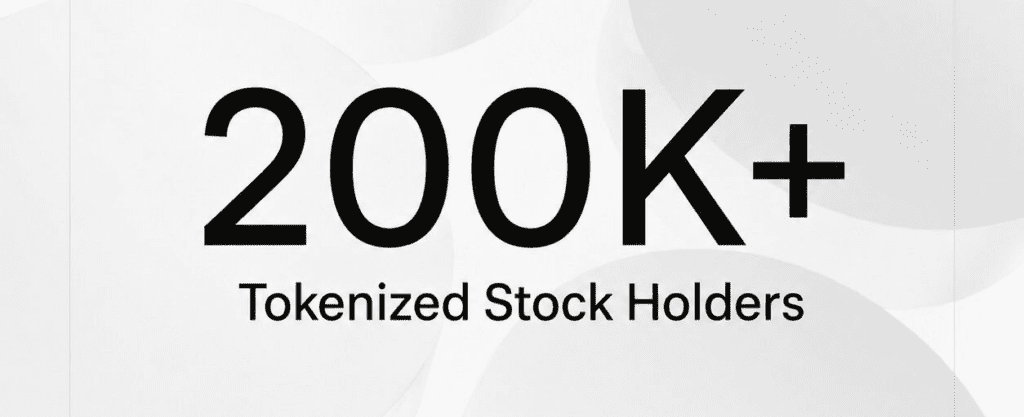
Solana has become one of the main networks for this sector because of its high speed, low fees, and smooth user experience.
Paxos Became the First Blockchain-Based Clearing Agency Approved by the SEC
The SEC approved Paxos as the first blockchain-based clearing agency in the United States. Paxos will be able to help settle and transfer financial assets using blockchain infrastructure.
This could help speed up settlement, reduce costs, and increase market efficiency. The decision shows that on-chain infrastructure is moving from the edges of finance toward its core.
Ondo Finance Confirmed Nathan Allman’s Death
Ondo Finance confirmed the sudden and unexpected death of founder Nathan Allman. Allman was one of the early pioneers of the tokenized real-world assets sector and played an important role in developing on-chain US Treasury products.
His death is a major loss for the RWA sector, which has become one of the fastest-growing areas in crypto.
Major Network and Protocol Updates Shaped the Week
Sui Suffered Another Major Outage
The Sui network experienced another major outage less than 24 hours after a previous incident. According to the network status page, Sui was unable to process new blocks for nearly two hours, showing a complete halt in network activity.
The Sui team said the mainnet was experiencing a network outage and that activity may be halted while the Core team investigated the issue. The repeated outages raised questions about reliability, especially because Sui markets itself as a high-performance and scalable blockchain.
Sei Announced the Giga Upgrade Roadmap
Sei announced its Giga upgrade roadmap, targeting 200,000 TPS and 400ms finality. The rollout is planned gradually throughout 2026.
This upgrade aims to improve performance and make Sei more competitive in high-speed blockchain infrastructure.
Base Launched the Azul Upgrade on Mainnet
The Base Azul Upgrade became available on mainnet. The upgrade aims to make the Base network faster and more secure, while improving performance and operational efficiency.
As Base activity continues to grow, Azul is meant to help support more users and applications without hurting user experience.
Aave Labs Proposed a Unified Listing Framework
Aave Labs proposed a unified technical framework for listing assets on Aave V3, V4, and Aave Horizon.
The framework focuses on listing new assets, expanding risk and liquidity standards, and improving ongoing monitoring of listed assets. The goal is to make asset additions more transparent and consistent across Aave products, while strengthening long-term risk management.
Bittensor Activated Dynamic TAO
Bittensor activated the Dynamic TAO update on May 25, fully restructuring the network’s economy.
Now, 67 Subnets compete in real time for emissions instead of receiving fixed rewards. The update introduced instant emissions transfer without unstaking wait periods, emissions flowing toward higher-performing networks based on capital flows, and reduced dominance of the centralized validator-based system.
For TAO supply, daily issuance remains the same, but more TAO may become locked inside successful networks through staking. This could reduce circulating supply and long-term selling pressure. The update turns Bittensor into a more performance-based market, where weaker networks may fade while stronger ones attract capital and emissions.
Ethereum and Solana Faced Their Own Pressure
Ethereum Showed Short-Term Negative Signals
Ethereum saw potentially negative signals as failed transactions increased while ETH inflows to platforms also rose. This combination may show friction on the network, pressure in activity, and more liquidity moving to exchanges.
That can sometimes mean investors are preparing to sell or reduce risk. Analysts viewed these indicators as a possible short-term bearish signal for ETH, especially as momentum stayed weak compared to some other assets.
An Ethereum ICO Participant Moved ETH to Kraken
One early Ethereum ICO participant moved 1,600 ETH to Kraken, worth around $3.18 million. The investor originally bought 2,000 ETH for only $622 during the initial offering.
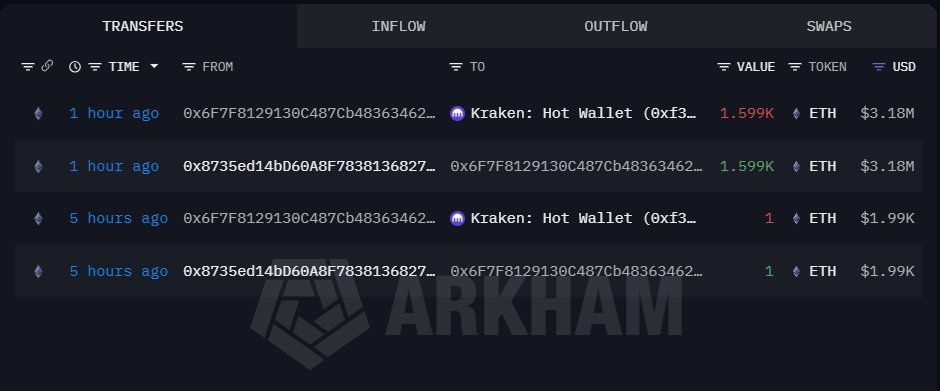
Even after the deposit, the wallet still holds 400 ETH. The total return is around 6,373x the original investment.
Pump.fun Sold Millions of SOL
Pump.fun sold a total of 4.46 million SOL, worth about $780 million. The average selling price was around $175.
The latest batch included 100,628 SOL, worth $8.32 million. These large sales have become one of the main sources of selling pressure on Solana recently.
Global Crypto and Security Developments Continued
The US Seized Nearly $1 Billion in Iran-Linked Crypto Assets
US Treasury Secretary Scott Bessent said the United States seized crypto assets linked to Iran worth nearly $1 billion.
This came during a week already shaped by US-Iran tensions, market liquidations, and broad risk-off pressure in parts of the crypto market.
South Korean Crypto Investors Mobilized Against a New Tax
More than 50,000 crypto investors in South Korea started mobilizing against a new crypto tax. Opposition grew because investors fear the tax could pressure local activity and reduce market participation.
In another unusual development, a funeral services company suffered losses of $33 million after investing in BitMNR.
AI and Quantum Computing Raised Encryption Concerns
Warnings grew around the link between AI and quantum computing. AI may shorten the time needed to break the encryption systems that protect crypto.
The danger is not only quantum computing itself, but AI’s ability to speed up vulnerability discovery and optimize attack models. If quantum computing reaches the level needed to break current encryption keys, crypto and the wider internet could face a serious security challenge.
The next major race is not only about building stronger AI. It is also about building encryption that can survive in a post-quantum world.
Gold Flows and Safe-Haven Demand Also Stood Out
Japan’s gold exports reached a new record high of $25.5 billion during fiscal year 2025. Authorities suspect part of the increase may be connected to the re-export of previously smuggled gold.
The sharp rise raised questions about global gold flows and unusual trade routes, especially as demand for safe-haven assets has grown in recent years. Gold remains central to the global economy, but some of its movements are still happening behind the scenes.
Conclusion: A Week of Risk, Regulation, and Tokenization
This week showed a market split in several directions. Bitcoin faced pressure from ETF outflows, Iran tensions, liquidations, and high-risk signals. US stocks moved higher as the VIX fell and hopes for geopolitical de-escalation improved sentiment. At the same time, the bond market, weak consumer confidence, and falling foreign Treasury holdings added deeper macro pressure.
Crypto regulation advanced in the United States through Bitcoin perpetual futures approval, Paxos clearing agency approval, and stronger political attention around the 2026 elections. Tokenized assets also gained clear momentum through Stellar, Solana, Paxos, and the wider RWA sector.
The week’s main message was simple: crypto is still under pressure in the short term, but its role inside global finance keeps expanding.
This week showed how fast crypto can shift between pressure and progress. Bitcoin faced ETF outflows, liquidations, and geopolitical risk, while tokenized assets, US regulation, and blockchain infrastructure kept moving forward. None of this is financial advice. Markets can change quickly, so always do your own research through the Millionero Blog and trade responsibly on Millionero Exchange.