


Autonomous finance sounded like a buzzword for years. In 2026, the infrastructure is live, the products are shipping, and the risks are real. Here’s what’s actually going on.
The Big Picture
For a long time, “autonomous finance” was more pitch deck than reality. The idea was compelling, AI software that could analyze markets, rebalance portfolios, vote in DAOs, and pay for services without a human touching a button. Cool concept. No working stack.
That’s changing fast. The rails are being laid in real time: payment systems for software agents, cross-chain execution layers, AI-managed vaults, governance delegates, and no-code tools that let regular people deploy strategy bots. AI agents haven’t taken over finance yet, but the infrastructure for them to do serious financial work is now visibly under construction, and in many cases, already live.
Why Blockchain + AI Is a Natural Fit
Traditional finance gives AI agents very little to grab onto. Blockchain gives them everything:
- Programmable ownership, agents can hold real assets
- Programmable payment, agents can send and receive money autonomously
- Programmable execution, agents can trigger smart contracts without any human middleman
NEAR Protocol has been explicit about this vision: their chain abstraction stack is built so AI can interact with assets and applications across multiple blockchains as if they were a single system. That’s the missing bridge between “an agent can think” and “an agent can actually do finance.”
What’s Live Right Now
Agents Are Already Paying for Things
This isn’t theoretical anymore. In March 2026, Alchemy launched a flow where an AI agent uses its own wallet as identity and payment source, receives an HTTP 402 payment request, and automatically tops up using USDC on Base via Coinbase’s x402 protocol, all without human input. Agents can start with as little as $1 and buy compute on a pay-as-you-go basis.
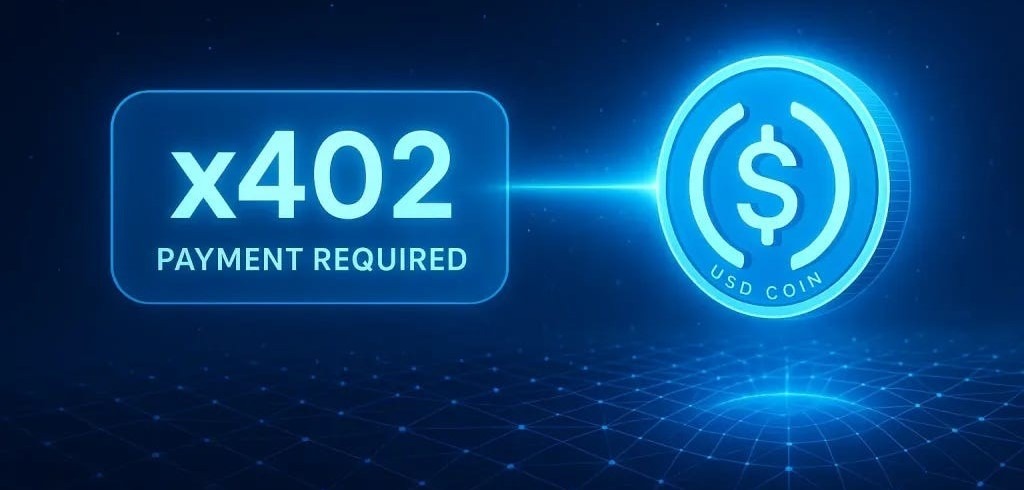
Software is paying software to continue a workflow. That’s a genuinely new thing.
AI-Managed Portfolios Are a Product, Not a Concept
SingularityDAO’s DynaSets are shared on-chain vaults built to maximize portfolio returns, initially focused on rebalancing and expanding toward yield optimization and interactions with third-party DeFi protocols. Meanwhile, the broader “DeFAI” category, AI agents that analyze markets, balance portfolios, and manage liquidity across DEXes, is moving from whitepaper territory into actual products.
Governance Is Getting Delegated to AI
Olas’ Governatooorr is an AI-powered delegate that autonomously votes on on-chain governance proposals across Ethereum and Solana. More experimentally, ai16z (later rebranded ElizaOS) launched an AI-based investment DAO in late 2024, with an agent called “Marc AIndreessen” serving as the analytical and operational decision-maker for a treasury vehicle. Whether that model scales is still an open question, but it’s a real public experiment in agent-mediated capital allocation.
Retail Users Can Now Deploy Agents Without Code
This one is awesome. On March 9, 2026, Walbi launched no-code AI trading agents for retail users. Instead of scripting a bot, users describe a strategy in plain language. The agent draws on portfolio data, technical indicators, the Fear & Greed Index, liquidation insights, and the economic calendar to execute within the platform. The interface has fundamentally shifted: describe your goals, let the system handle execution.
The Enterprise World Is Normalizing This
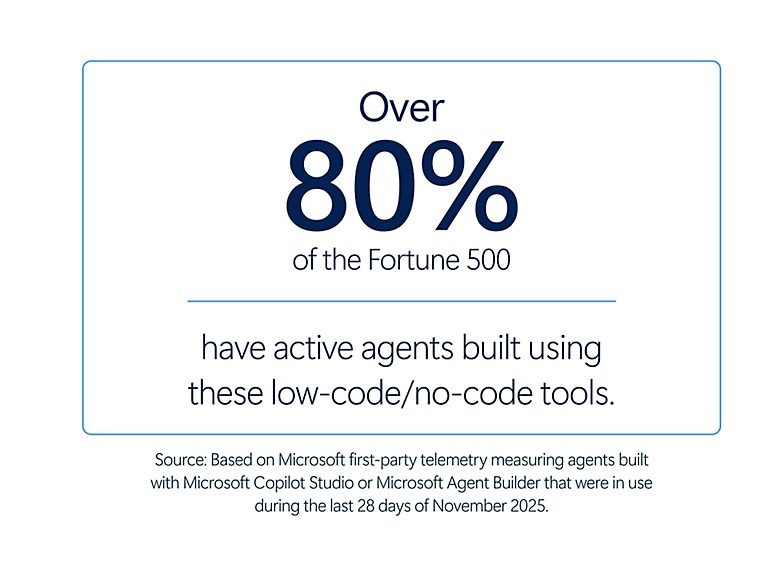
Crypto isn’t operating in a vacuum here. Microsoft reported in February 2026 that more than 80% of Fortune 500 companies now use active AI agents, across sales, finance, security, and customer service, built with low-code or no-code tools.
The difference with crypto? In traditional enterprise, agents are workers. On-chain, they’re economic actors, they can own assets, settle transactions, and operate with real financial stakes.
The Risks Are Very Real
Security: Agents Are High-Value Attack Targets
A 2025 research paper on AI agents for blockchain identified phishing attacks, key mismanagement, and data leakage as major barriers to adoption. The core problem: blockchain agents may need access to private keys, turning them into a meaningful attack surface inside irreversible financial systems. That’s a dangerous combination.
Prompt Injection: Poisoning the Agent’s Brain
A separate 2025 study built a benchmark of 847 adversarial test cases, covering direct injection, instruction override, data exfiltration, and more. Without defenses, 73.2% of attacks succeeded. With a combined defense framework, that dropped to 8.7%. For financial agents that rely on external APIs, documentation, or chat inputs to decide what to do, poisoned context isn’t a theoretical threat, it’s an active one.
Identity and Trust: Who Authorized This?
The hardest open problem is verification. How do you know an agent had permission to act? That it followed the right policy? That it was operating within its mandate?
Researchers are proposing frameworks built around Decentralized Identifiers (DIDs), Verifiable Credentials, Zero-Knowledge Proofs, and fine-grained access control. The implication is clear: autonomous finance will eventually need a trust layer, not just payments and execution, but verifiable identity, auditability, and policy enforcement.
The Bottom Line
Blockchain is giving AI agents something the open web never quite could: native economic agency. An agent can now hold a wallet, make payments, trigger transactions, vote in governance, rebalance a portfolio, and settle service requests, all in a programmable environment, all without a human in the loop.
That doesn’t mean every “AI agent” product is trustworthy or ready for serious capital. But the market has crossed an important threshold. We’re not debating whether autonomous finance is imaginable anymore.
We’re watching the first credible versions of it get deployed, and the window to understand this shift before it goes mainstream is closing fast.
This article is not financial advice. Please do your own research before making any investment decisions. You can also explore more crypto insights on blog.millionero.com. When you’re ready, you can trade spot and perpetuals on Millionero.