



Crypto isn’t moving in isolation anymore. If you zoom out from the charts for a second, something becomes very clear: Bitcoin and altcoins are now deeply entangled with AI infrastructure, global trade deals, stablecoin policy, and corporate treasury behavior.
Let’s break down what’s actually shaping the market.
AI Infrastructure Is Now a Crypto Narrative (Even If You Don’t Notice It)
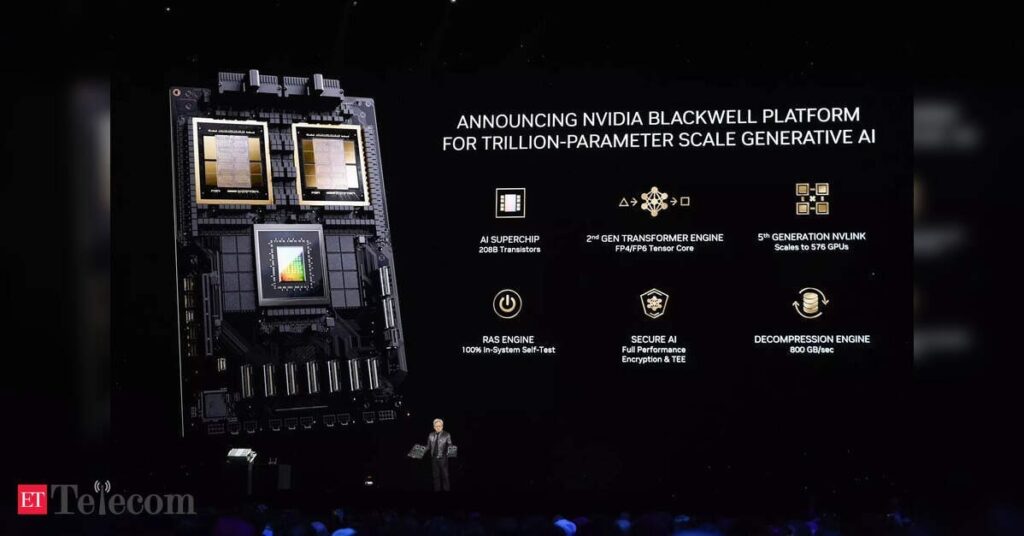
One of the biggest non-crypto stories was Nvidia’s multi-year agreement to supply Meta with Blackwell and Rubin GPUs alongside Grace and Vera CPUs.
At first glance, that sounds like a tech story. It isn’t.
This is about AI hyperscale infrastructure. And hyperscale computing demands massive capital, long-term commitments, and digital asset experimentation.
The same companies building AI clusters are:
- Exploring digital asset storage
- Integrating blockchain-based payments
- Researching tokenized infrastructure
- Testing stablecoin rails
At the same time, Figma partnered with Anthropic to launch a “Code to Canvas” feature powered by Claude Sonnet 4.6. That signals a shift toward AI-first product workflows, something crypto-native teams have already embraced for smart contract tooling and automated trading systems.

AI is merging with crypto narratives. And capital follows infrastructure.
Bitcoin Treasury Accumulation Is Accelerating
While AI builds quietly in the background, Bitcoin treasury activity continues openly.
American Bitcoin crossed 6,000 BTC in holdings, reinforcing a growing theme: corporate Bitcoin accumulation is becoming normalized.

We’re now in a phase where:
- Mining companies retain more BTC
- Treasury firms integrate accumulation pipelines
- Public entities hold BTC strategically
This is structured balance sheet allocation.
At the same time, Nakamoto Inc. announced a $107 million deal involving BTC Inc. and UTXO management assets. This indicates vertical integration across the Bitcoin ecosystem, from mining to treasury to infrastructure.
Bitcoin is slowly transforming from a speculative asset into a corporate financial instrument.
Ethereum ETF Dynamics Quietly Reshape Yield Mechanics
A newly structured Ethereum ETF model offering exposure to up to 82% of staking yield highlights a new phase of crypto financialization.
The key word here is financialization.
We are seeing:
- Native yields abstracted into ETFs
- Staking returns restructured for institutional capital
- Retail exposure diluted through multi-layered claims
This matters because each layer of financial abstraction creates:
- Price sensitivity to flows
- Derivative-based leverage
- Disconnects between spot and synthetic demand
Ethereum is becoming a yield engine embedded inside regulated financial products, no longer just for gas usage pushed by NFT volume like we saw in 2021/2022.
Stablecoins: The Quiet Regulatory Battlefield
While price traders focus on chart patterns, the White House is reportedly reconsidering stablecoin policy discussions, specifically around allowing interest-like rewards on stable deposits.
Banks fear deposit flight. Crypto firms want programmable yield.
If stablecoins begin offering structured rewards at scale, that changes:
- Capital rotation inside crypto
- Banking system liquidity dynamics
- Short-term Treasury demand
- DeFi-native yield structures
Stablecoins are actually becoming the bridge between traditional liquidity and crypto-native rails.
Geopolitical Tension Adds Structural Risk
Good news aside, two developments remind us that macro risk never disappeared:
- Iran’s partial disruption of the Strait of Hormuz

- Russia potentially restricting global crypto exchanges
Energy supply fears increase inflation risk. Inflation risk challenges central bank policy. And central bank expectations drive crypto volatility.
At the same time, Russia tightening exchange access could fragment global liquidity, pushing some crypto activity into gray markets or localized platforms.
Crypto reacts to fear differently depending on context:
- As a hedge when banks wobble
- As a risk asset when liquidity tightens
Right now, the reaction function remains complex.
Corporate Politics, Trade Deals, and Fiscal Policy
Donald Trump’s announcement of a $550 billion US-Japan trade framework and tax adjustments that could boost refunds by over 20% signals potential fiscal expansion.
More fiscal expansion generally means:
- Higher deficit pressure
- Long-term inflation sensitivity
- Liquidity injections in the short run
Crypto thrives when liquidity expands faster than regulation tightens.
The key question isn’t “Is this bullish?”
It’s not that simple. It’s whether monetary policy keeps up, or pushes back.
The Bigger Picture: Financialization 2.0

We are now firmly in Financialization 2.0 of crypto:
- ETFs abstract yield
- Corporations accumulate BTC
- AI infrastructure overlaps with blockchain
- Stablecoin regulation shapes capital flow
- Geopolitical tension adds volatility
The market you trade today is no longer pure supply-demand Bitcoin from 2017. It is layered.
It includes:
- Synthetic exposure (Perpetual Futures)
- Policy expectations
- Macro stress tests
- Institutional allocation models (a thousand different types of ETFs)
If volatility feels different, that’s because the market structure is different.
This article is for informational and educational purposes only and does not constitute financial advice. Always do your own research (DYOR) before making any investment decisions. For more in-depth crypto analysis, guides, and market insights, visit blog.millionero.com. When you’re ready to put your research to work, trade spot and perpetuals on Millionero.