



Late in December 2025, something very normal, but very powerful, happened in the futures world: CME margin requirements on major precious-metals contracts. The timing mattered. Prices had been moving fast, leverage was high, and volatility was loud. When an exchange raises margins, it can feel like someone quietly turned the dial from party mode to seatbelt mode.
Here’s what changed, why it happens, and why traders in gold, silver, and even Bitcoin watch these moves so closely.
What CME changed, in plain words
On December 30, 2025, CME announced a second round of higher initial margin (also called performance bond) requirements for precious metals, effective after the close on December 31. Reported increases were roughly +9% for gold, +30% for silver, +25% for platinum, and +22% for palladium. CME’s stated reason was a review of volatility “to ensure adequate collateral coverage.”
This came right after a December 26 advisory that raised margins by similar amounts, effective December 29.
So, in one week, traders got hit with a double “please post more collateral” message.
First: what margin really is (and what it isn’t)
In futures, margin is not a down payment like a mortgage. It’s closer to a security deposit.
- Initial margin: the money you must post to open a position.
- Maintenance margin: the minimum you must keep to hold that position.
If prices move against you and your account dips below the maintenance level, your broker issues a margin call. If you can’t add funds fast enough, positions may be cut (liquidated), not because the idea was “wrong,” but because the account can’t carry the risk anymore.
When CME raises margin, it basically says: “This market can swing harder now. Bring a bigger safety deposit.”
Why do exchanges raise margins?
CME’s clearing and risk teams regularly review margins using their risk models, and they adjust when volatility spikes.
The boring reason is also the true reason most of the time: risk control.
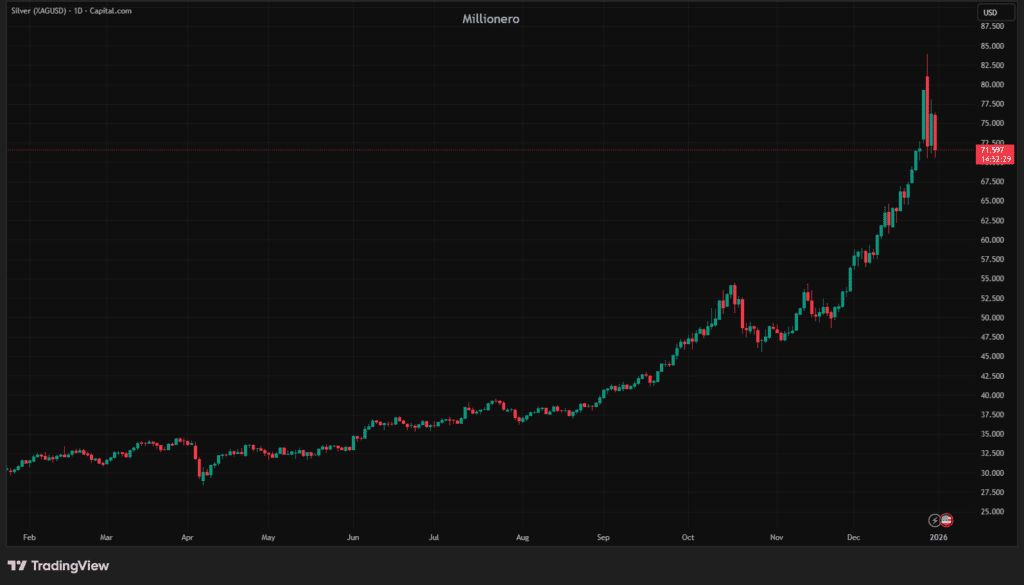
In late December, precious metals were not acting calm. Silver, for example, had surged to extreme levels (the report notes silver hit $82.80 on Dec. 23) before pulling back.
A simple way to picture it:
- When price moves get bigger, potential losses get bigger.
- If potential losses get bigger, the clearinghouse wants more collateral sitting there as protection.
One analyst described it as requiring “more skin in the game,” a classic safety move when markets get wild.
The real-world effect: why price can drop fast after a margin hike
A margin hike doesn’t force selling directly. But it often triggers a chain reaction:
- Traders must add collateral quickly
- Some traders can’t (or don’t want to)
- They reduce exposure
- That selling pushes price down
- The drop triggers more risk controls and more selling
That is how a market can go from “strong” to “slipping on ice” in a short time.
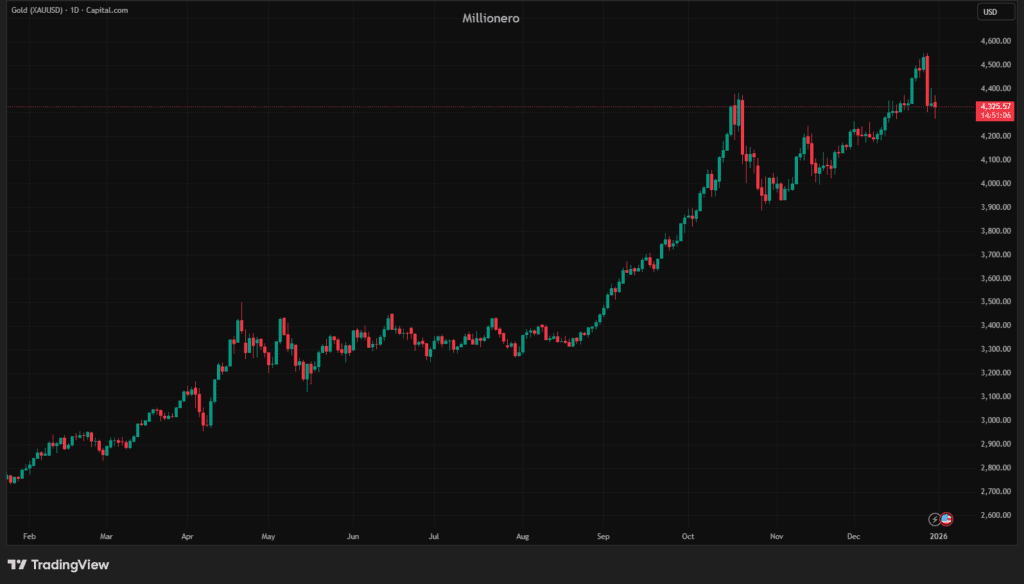
In this episode, the short-term reaction was sharp: silver dropped roughly 10–11% intraday (around ~$82 to ~$72) and gold fell about 4–5% from its peak, with spillover into mining stocks as well.
“They killed the rally”: the debate people always have
Every big margin hike creates two camps:
Camp A: “This is normal risk management”
Some commentary framed the move as proactive risk management to protect the clearing system, and some argued it even supports CME’s business through higher margin balances and activity.
Camp B: “This is a rally killer”
Others claim margin hikes are used to “kill” rallies, often pointing fingers at institutions and short sellers. The report notes that some observers argue the hikes protect big players, though that view is speculative, and mainstream coverage still emphasizes volatility and risk management.
The key takeaway: both things can feel true at the same time. A margin hike can be a valid safety move and still crush over-leveraged traders.
This isn’t new: big margin hikes have a long history
These moments rhyme with past episodes:
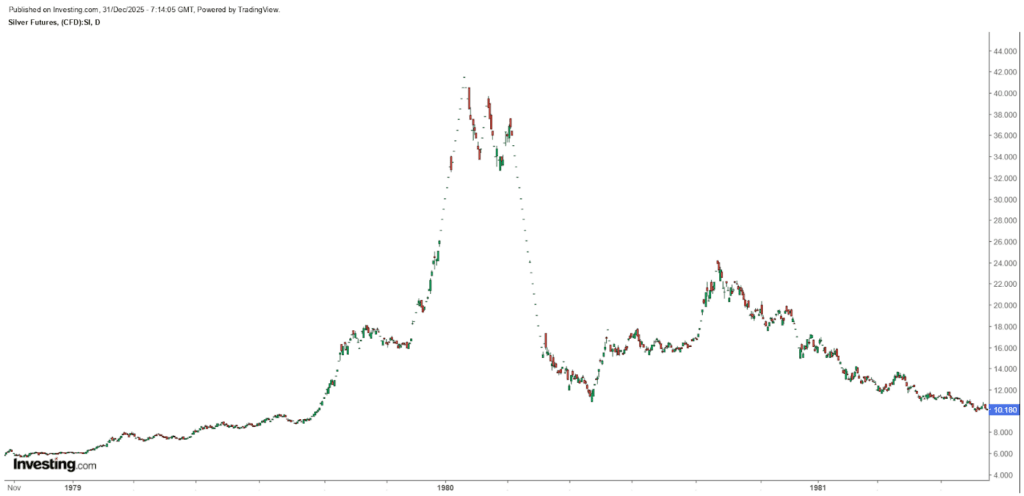
- 1980 silver squeeze: margins were nearly tripled during the Hunt Brothers era; silver later collapsed from around $50 to $10 by late March.
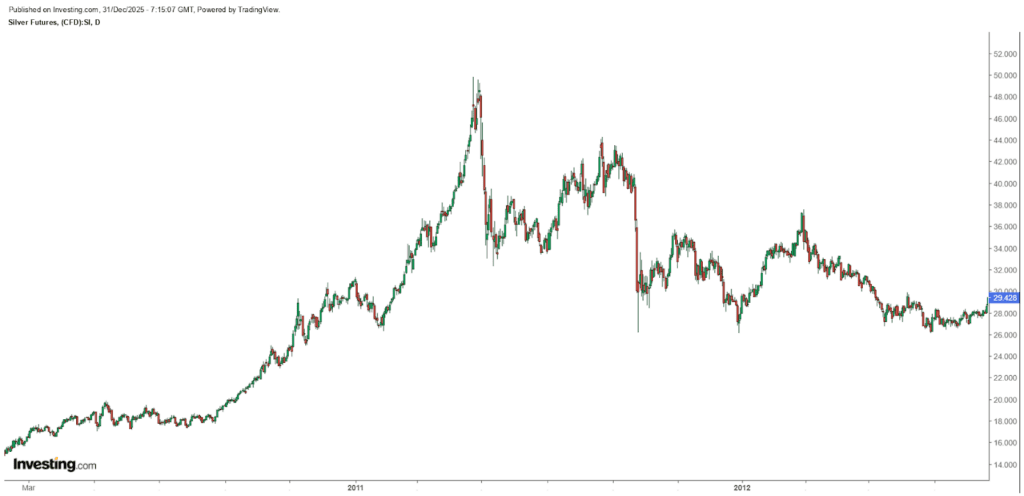
- 2011 silver rally: CME raised margins five times in nine days (about +84% total), and silver dropped hard in the following weeks.
- 2011 gold spike: gold margins were raised heavily (around ~90% over a few months), around the same period as a sharp price break during volatile trading.
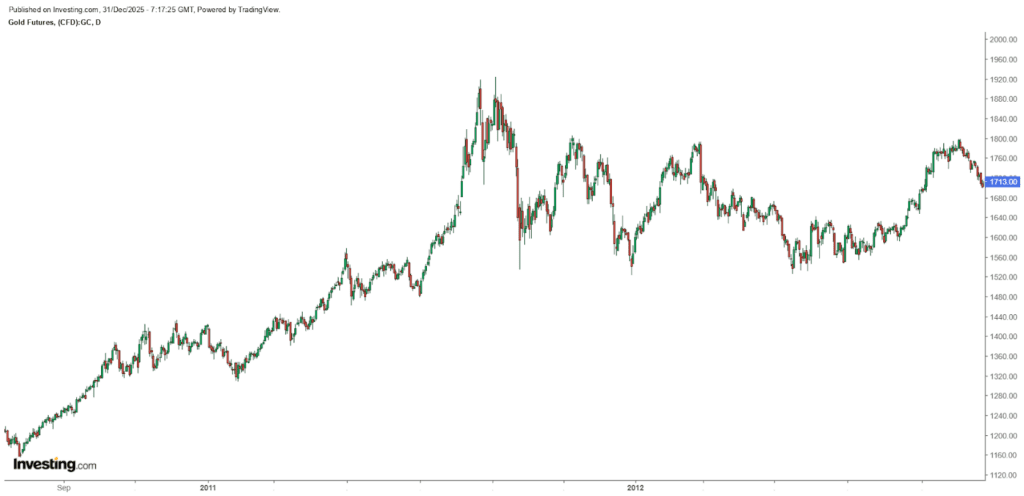
The pattern is simple: when leverage is high and volatility rises, margins rise, and price often snaps back.
How CME actually sets margins (the SPAN idea, simplified)
CME mainly uses a system called SPAN (Standard Portfolio Analysis of Risk). SPAN runs a set of “what if” scenarios, price up, price down, volatility up, and estimates the worst-case loss a position could face under those scenarios. Then it sets margins based on that risk.
When conditions get extreme, CME can apply changes fast. In this case, the new rates took effect after the close on Dec. 31, meaning traders had very little time to adjust.
Where Bitcoin fits in: the “same movie, different theater”
CME did not announce margin increases for Bitcoin or crypto futures as part of this precious-metals move.
But the comparison still matters for two reasons:
- Crypto also runs on leverage. Many crypto derivatives venues have their own margin models, and leverage can be much higher than traditional futures.
- If crypto goes truly parabolic, the logic that drives margin hikes in metals can appear in crypto too, either through higher margin requirements, tighter risk limits, or faster liquidation thresholds.
There’s also a narrative angle: during this metals surge, some observers noted the market treated gold and silver more like “crisis hedges,” while Bitcoin traded more like a high-beta risk asset.
So even if Bitcoin wasn’t directly hit, traders still watched the margin story, because it’s a reminder that leverage is fragile everywhere.
The clean lesson
A margin hike is not magic. It doesn’t rewrite supply and demand. But it changes the rules of participation in the short run:
- It punishes excessive leverage
- It can force fast selling
- It often turns a straight-line rally into a choppy, slower market
If you trade futures, metals, indexes, or crypto, this is one of the simplest truths to remember:
In leveraged markets, the “risk system” can move faster than the price narrative.
Not financial advice. Do your own research. If you’re learning how futures risk works (in metals or crypto), keep an eye on margin policy, volatility, and open interest, and only trade with risk you can truly handle. For more market explainers, visit Millionero’s education content on blog.millionero.com.