


The crypto industry has produced some of the most dramatic rises and falls in the history of finance. Bold promises, viral marketing, and skyrocketing token prices have lured millions of investors into projects that, beneath the surface, had no sustainable foundation. A 2025 analysis by the DeFiLlama founder found that launching a token can increase a project’s risk of failure by roughly 50%, because regulatory pressure, governance complexity, and financial obligations often outweigh the fundraising benefits.
The Famous Lama in DefiLlama
Whether you’re a seasoned trader or just getting started, understanding these failures is one of the most valuable things you can do for your portfolio. Here are five high-profile projects that imploded despite enormous hype, and the hard lessons each one left behind.
1. Terra / UST & LUNA, The $50 Billion Death Spiral
Terraform Labs pitched TerraUSD (UST) as an algorithmic stablecoin that would always trade at exactly $1, maintained not by cash reserves, but by a clever arbitrage mechanism with its sister token, LUNA. The ecosystem’s crown jewel, Anchor Protocol, offered depositors nearly 20% annual returns, an extraordinary yield that attracted billions in capital. At its peak in early 2022, UST and LUNA together commanded a market value north of $50 billion.
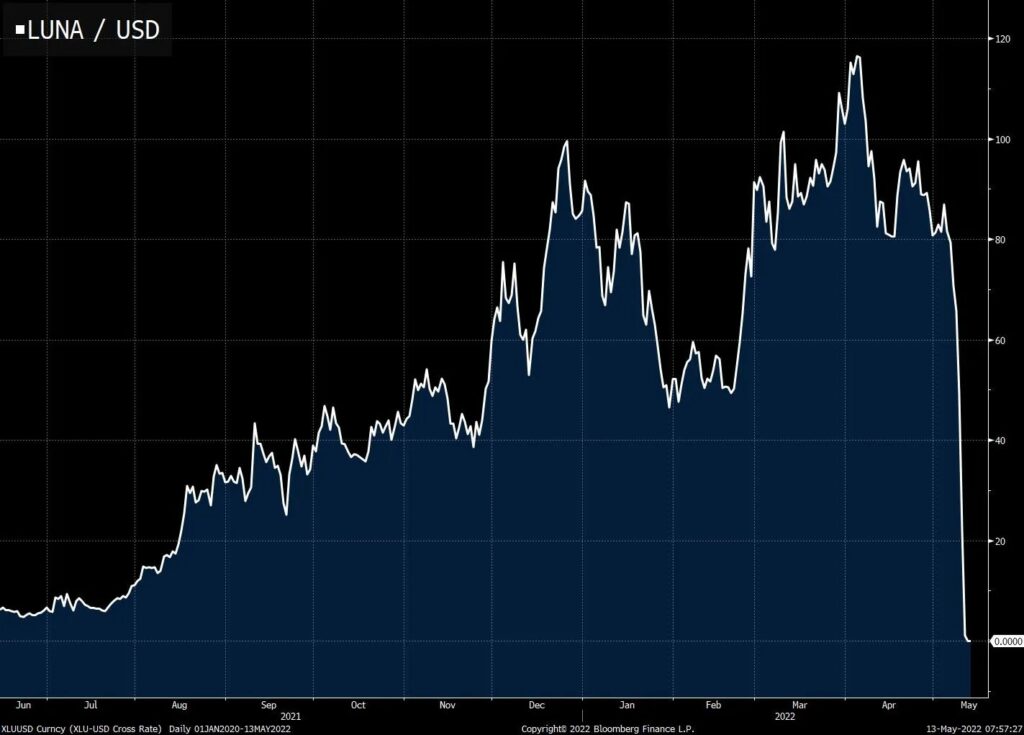
In May 2022, a rapid wave of UST sell-offs broke the peg. Traders rushed to redeem UST for LUNA, minting new LUNA at an exponential rate. The result was a hyperinflationary death spiral, LUNA’s price plummeted from over $120 to effectively zero within days, erasing tens of billions in value and sending shockwaves across the entire crypto market.
Founder Do Kwon was extradited and pleaded guilty to fraud charges. In August 2025, the U.S. Attorney for the Southern District of New York announced a 15-year prison sentence, with prosecutors arguing Kwon had misled investors about the protocol’s stability and secretly intervened to prop up UST.
Algorithmic stability is only as strong as market confidence. When confidence vanishes, so does the peg, and everything built on top of it.
2. FTX & the FTT Token, When an Exchange Bets Against Its Own Users
FTX launched in 2019 and grew explosively, raising over $1.8 billion from top-tier venture capital firms and accumulating more than a million users. Its native FTT token offered trading fee discounts and other perks, fuelling speculation. Founder Sam Bankman-Fried cultivated a public image of altruistic capitalism, and FTX splashed its brand across sports arenas and celebrity endorsements.
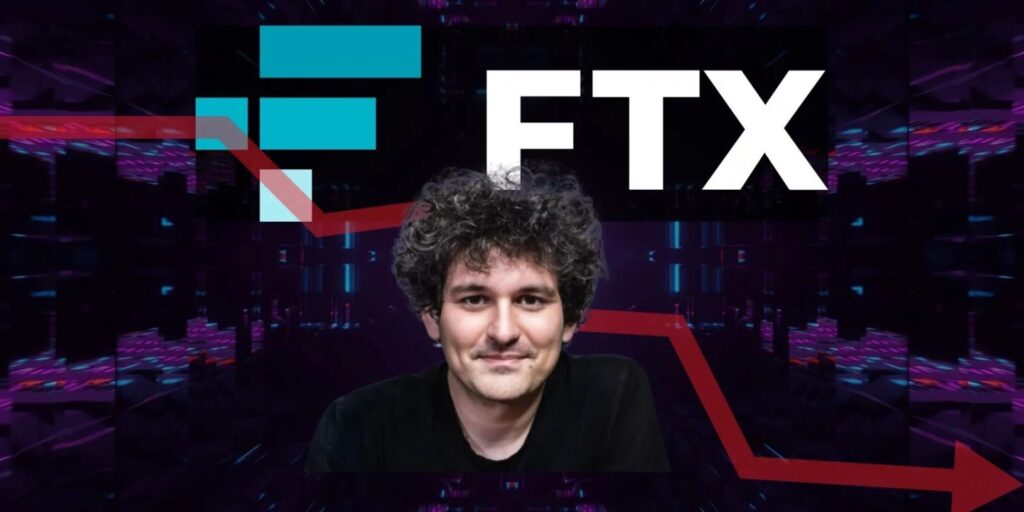
In November 2022, a CoinDesk report revealed that FTX’s sister hedge fund Alameda Research held enormous FTT positions on its books and had borrowed heavily against them. Binance’s CEO announced he would liquidate Binance’s FTT holdings, triggering a sell-off. FTT crashed from around $22 to under $5 almost overnight. FTX halted withdrawals and filed for bankruptcy on November 11, 2022. Investigations exposed that customer funds had been commingled with Alameda’s trading capital, with virtually no internal controls in place.
In March 2024, Sam Bankman-Fried was sentenced to 25 years in prison and ordered to forfeit $11 billion for misappropriating billions of dollars in customer funds and defrauding investors and lenders.
A token that functions as core collateral for an exchange creates hidden systemic risk. Transparency and segregation of customer funds are non-negotiable.
BitConnect, The 40% Monthly Return That Never Existed
BitConnect promised investors up to 40% monthly returns through a supposedly proprietary trading bot. Participants bought BitConnect Coin (BCC) and “lent” it back to the platform in exchange for interest, while a multi-level referral structure encouraged users to recruit friends and family. YouTube influencers promoted the project relentlessly, and BCC’s price skyrocketed from $0.17 to over $463, briefly reaching a market cap above $3.4 billion.
In early 2018, regulators in Texas and North Carolina issued cease-and-desist orders citing unregistered securities and fraud. BitConnect shut down almost overnight, and BCC’s value collapsed by more than 90% within days. Investigations confirmed what many had suspected: the trading bot never existed, and returns were simply funded by new investor deposits, a textbook Ponzi scheme. U.S. authorities later indicted promoters for wire fraud and conspiracy.
Unsustainably high, guaranteed returns are the single loudest red flag in investing. If the strategy is a black box, your money probably is too.
The DAO, Great Vision, Fatal Code
In 2016, The DAO (Decentralized Autonomous Organization) was launched on Ethereum as a leaderless, community-governed investment fund. Around 11,000 participants contributed a combined $150 million in Ether, making it the largest crowdfunding event in history at the time. Token holders could vote on which projects to fund, embodying the radical promise of blockchain governance.
Smart contracts are only as secure as the code behind them. A single vulnerability can unravel an entire project, rigorous auditing before launch is essential, not optional.
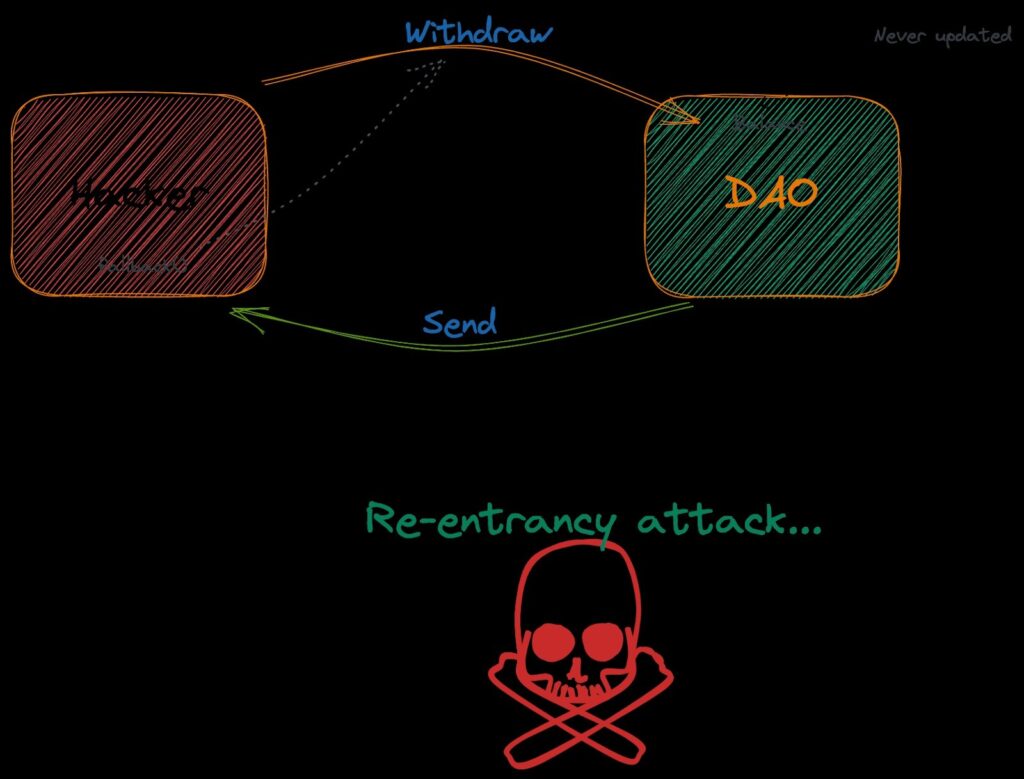
On June 17, 2016, a hacker exploited a reentrancy vulnerability in The DAO’s smart contract and siphoned roughly 3.7 million ETH, worth $50–70 million at the time. To recover the funds, the Ethereum community voted to implement a hard fork, effectively rewriting the blockchain’s history. This decision was deeply controversial and split the community, with a faction choosing to maintain the original chain as Ethereum Classic. The DAO was permanently shut down.
OneCoin, The Crypto That Wasn’t
Launched in 2014 and aggressively marketed as a “Bitcoin killer,” OneCoin was sold through a global multi-level marketing network by co-founders Ruja Ignatova and Karl Sebastian Greenwood. Millions of people across more than 175 countries purchased education packages bundled with OneCoin tokens. Between 2014 and 2016 alone, the scheme took in over $4 billion from at least 3.5 million victims.
The project had no real blockchain. OneCoin’s so-called ledger was simply a private database, and its founders arbitrarily assigned coin values. Leaked internal communications revealed that mining pools were fabricated and the entire technical infrastructure was a fiction. U.S. authorities sentenced Greenwood to 20 years in prison in September 2023. Ignatova, dubbed the “Crypto Queen,” remains at large and is on the FBI’s Ten Most Wanted list.
Legitimate cryptocurrencies have verifiable, public blockchains. If you can’t independently confirm how a coin works, that’s a warning sign you can’t afford to ignore.
The Common Thread: Hype Without Substance
Across all five cases, Terra, FTX, BitConnect, The DAO, and OneCoin, the same pattern emerges. Each project generated extraordinary excitement, attracted real capital, and promised something genuinely new. What they lacked were the fundamentals: transparent economics, verifiable technology, sound governance, and honest leadership.
Before entering any position in a new token or protocol, ask yourself these questions: Can I verify the technology independently? Are the yield promises backed by real revenue? Is there meaningful regulatory compliance? Are customer funds demonstrably segregated? If the answers are unclear or unavailable, proceed with extreme caution.
The crypto market moves fast, and so do the consequences when things go wrong. Staying informed is the best edge any investor can have.onsequences when things go wrong. Staying informed is the best edge any investor can have.
This article is for informational and educational purposes only and does not constitute financial advice. Always do your own research (DYOR) before making any investment decisions. For more in-depth crypto analysis, guides, and market insights, visit blog.millionero.com. When you’re ready to put your research to work, trade spot and perpetuals on Millionero.