



A US soldier allegedly turned about $33,000 into more than $400,000 by betting on a geopolitical event he was not supposed to know about in public.
That is the kind of story that pulls prediction markets out of crypto circles and drops them straight into the middle of Washington.
On April 30, 2026, the US Senate unanimously approved a rule banning senators, Senate staff, and other officers from using prediction markets. The rule took effect immediately. It was not a ban on prediction markets themselves. It was a ban on people close to sensitive government information using those markets while holding public power.
And that difference matters.
Prediction Markets Are Not the Villain
Prediction markets are simple in theory. People bet on whether something will happen, and the market price reflects what traders believe the odds are.
That can be useful. It can turn public expectations into a live signal.
But the whole idea depends on uncertainty. Everyone is supposed to be guessing from the outside. The problem begins when someone is not really guessing at all.
There is a big difference between reading the news carefully and reading a classified briefing.

That is why the Senate’s new rule landed with so much weight. Lawmakers and staff can be exposed to private information about wars, sanctions, elections, legislation, regulation, and economic policy. If they bet on that information before the public knows it, the market stops looking like a forecast.
It starts looking like an answer key.
The Legal Point Is Already There
This is not a totally new problem. The STOCK Act of 2012 already prohibits members of Congress and congressional employees from using nonpublic information gained through their official positions for private profit.
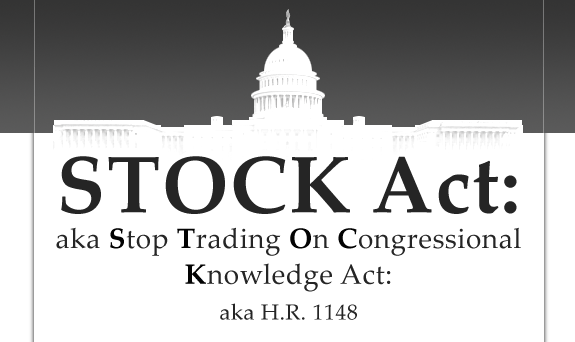
The Senate’s new move simply brings that old principle into a newer arena.
Stocks were the old battlefield.
Prediction markets are the new one.
The Maduro Bet Made the Risk Impossible to Ignore
The clearest case so far is Gannon Ken Van Dyke, a US Army Special Forces soldier.
According to the Justice Department, Van Dyke allegedly used classified information about a US military operation involving Nicolás Maduro, then placed bets on Polymarket tied to that event.
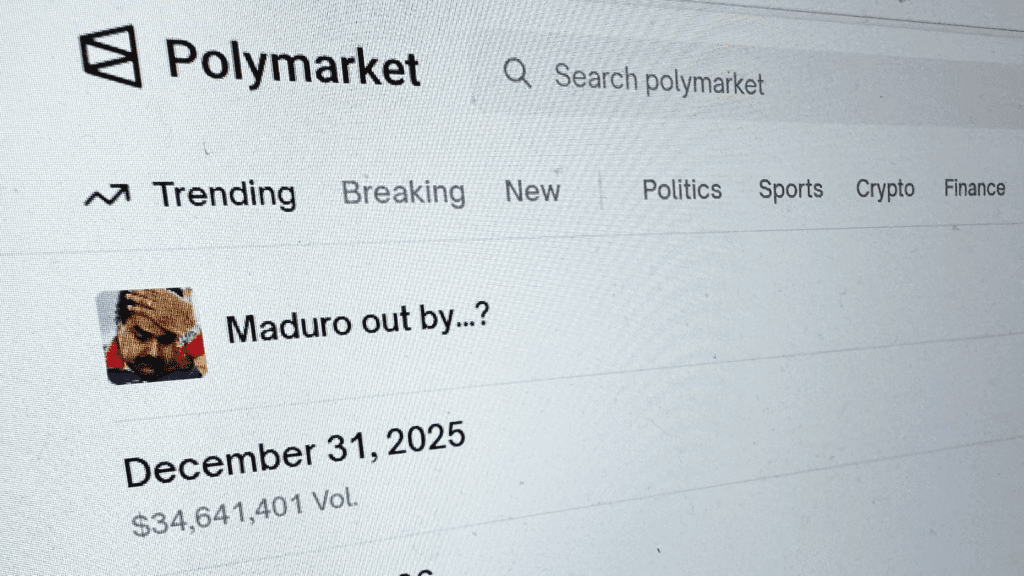
The numbers are what made the case explode.
He allegedly placed around $33,000 across several bets. After Maduro was captured, the wagers reportedly paid out more than $400,000.
Van Dyke has pleaded not guilty, so legally this remains an allegation unless proven in court. But as a regulatory warning, the case is already powerful.
Because this is the nightmare version of prediction markets: someone close to the event betting on the event before everyone else knows what is coming.
The Trump-Timing Trades Added More Pressure
The Maduro case was not the only alarm bell.
Representative Ritchie Torres asked the CFTC to investigate suspicious Polymarket trades placed before US President Trump announced a US-Iran ceasefire. The concern was not simply that traders were right. Traders are allowed to be right.
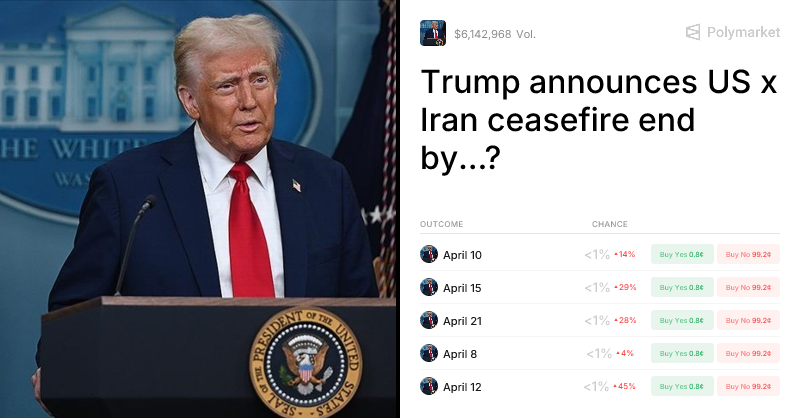
The concern was the timing.
When bets appear shortly before major political announcements, regulators naturally ask one question: who knew first?
Reuters also reported that US regulators were looking into suspicious oil futures trades before major Trump-related Iran policy moves. Some of those trades were not prediction-market trades, but they point to the same larger issue: market-moving information can be extremely valuable before it becomes public.
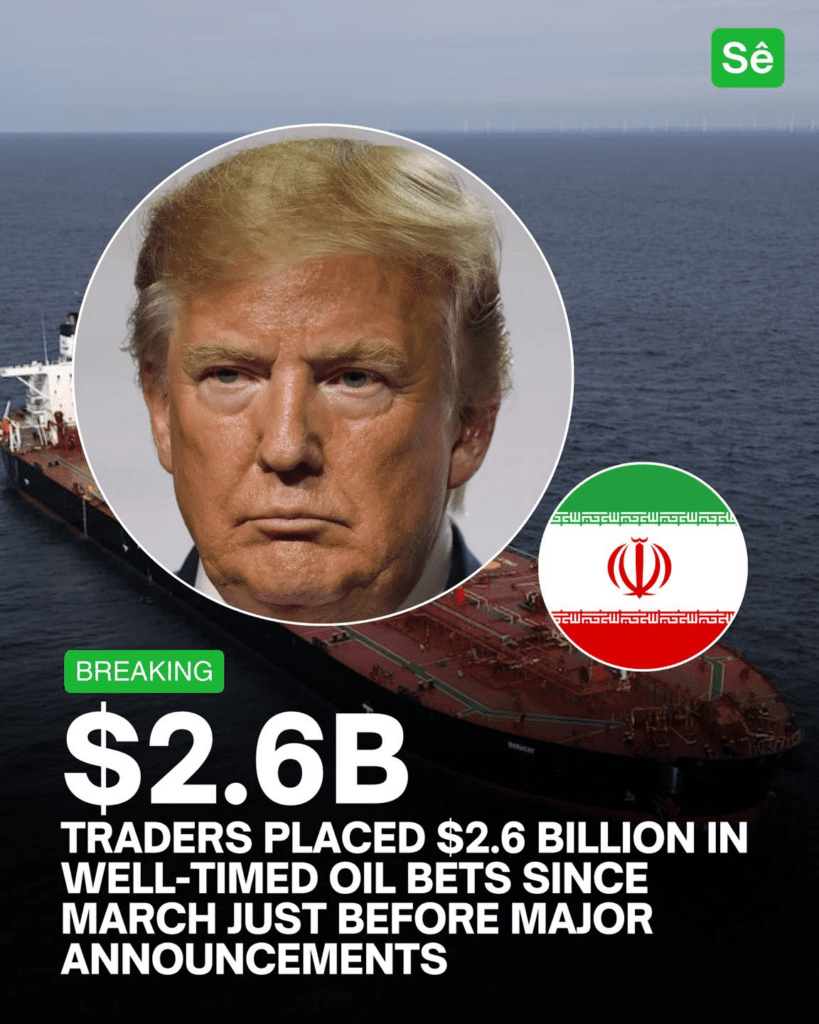
To be clear, these cases are still in the suspicious or under-review category. No public conviction has confirmed wrongdoing in those trades.
But they are part of the pressure that made the Senate’s ban feel less like theory and more like damage control.
Confirmed vs. Suspicious
The distinction matters:
- Confirmed legal action: the Van Dyke case, where DOJ filed charges.
- Platform enforcement: Kalshi fined and suspended candidates who bet on their own races.
- Suspicious activity: Trump-timing trades and Iran-related bets that have been publicly flagged but not proven in court.
That separation is important because the story is not about accusing everyone. It is about showing why regulators are paying attention.
Candidates Betting on Themselves Made the Optics Worse
Kalshi also fined and suspended three US congressional candidates for betting on their own election outcomes.
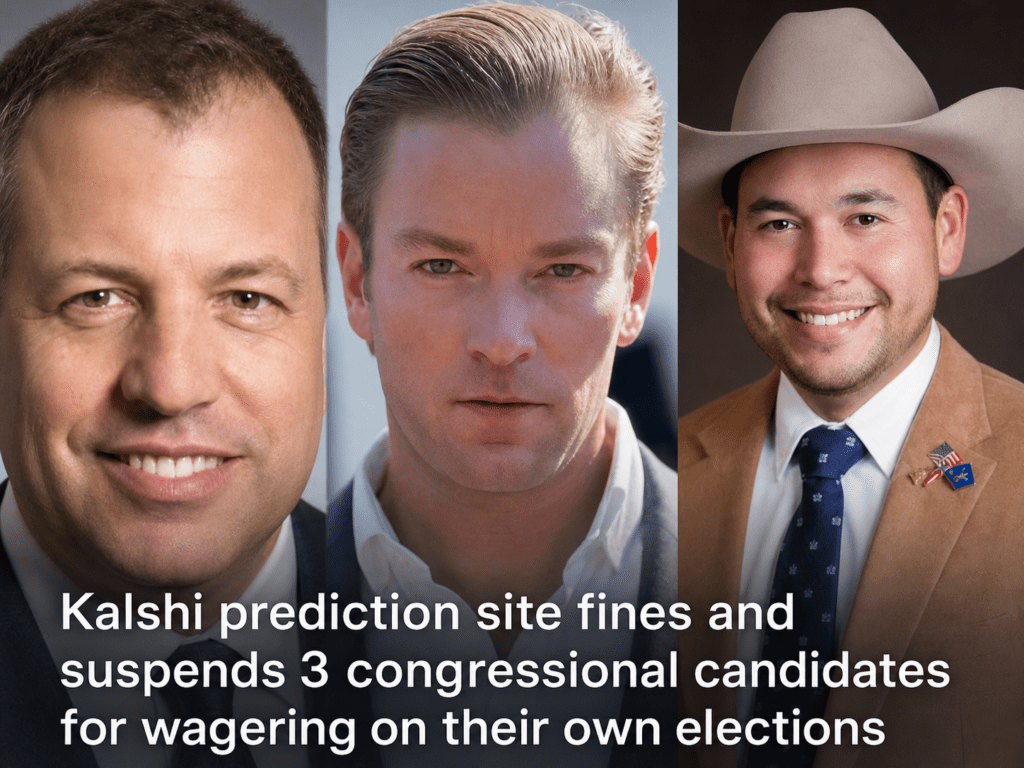
The amounts were small compared with the Maduro case, but the symbolism was ugly.
A candidate may know internal polling, campaign strategy, fundraising problems, or whether they are about to change course. Even a small bet raises a fairness issue when the trader is also one of the people closest to the outcome.
It is not the same as classified military information. But it lives in the same ethical neighborhood.
This Is Bigger Than the United States
The problem is not limited to Washington.
Israeli authorities also charged a reservist and a civilian for allegedly using secret military information to bet on Polymarket contracts tied to future military operations.
That case shows why prediction-market regulation is becoming more serious. These markets can cover elections, wars, sanctions, court decisions, speeches, and military events. That makes them interesting. It also makes them attractive to people sitting near sensitive information.
Why the Senate Moved Now
The Senate’s ban is basically a firewall.
It does not say prediction markets are useless. It does not say every trader is corrupt. But says people with privileged access should not be allowed to sit at the same table as everyone else and pretend they are guessing.
For regular users, prediction markets are a way to forecast the future.
For insiders, they can become something much darker: a way to monetize secrets.
That is the real lesson here.
Prediction markets work best when they measure uncertainty. But once secret information enters the trade, uncertainty disappears for one side.
And then the market is no longer predicting the future.
It is just paying the person who saw it first.
This article is for informational purposes only and should not be taken as financial advice. Prediction markets and crypto-related platforms can carry legal, financial, and regulatory risks, so always do your own research before making any decision.
For more simple market explainers, crypto updates, and regulation-focused stories, check out the Millionero blog.