



The Weekend Bounce Met a Harder Tuesday Reality
Bitcoin briefly climbed above $70,000 at the start of the week, but the rally quickly started to look fragile as the market returned to the same problem: war risk in the Middle East and the future of the Strait of Hormuz.
By Monday, the wider crypto market had reacted to hopes that the conflict could shift toward diplomacy. Bitcoin moved back from its lower range, and total crypto market capitalization rose to about $2.5 trillion, its highest level in 11 days. But that move never looked fully secure. Price later pulled back toward roughly $68,500, and the market entered Tuesday with the deadline now landing today, not later.
That matters because the weekend narrative was built on mixed signals. On one side, there were discussions about a possible deal. On the other, there were repeated warnings that strikes could still continue if Iran did not move on Hormuz.
A Relief Rally Formed, but It Never Fully Broke the Range
Bitcoin moved on diplomacy hopes
The initial lift came after signs that negotiations were still alive. Markets reacted to the possibility that a deal with Iran could reopen the Strait of Hormuz and reduce the chance of an immediate escalation. That was enough to support a relief rally across crypto.
Still, the structure never really changed. Bitcoin stayed inside the same broad range that has shaped trading since the conflict began. The rebound showed that positioning had become too bearish, but it did not prove that a new trend had started.
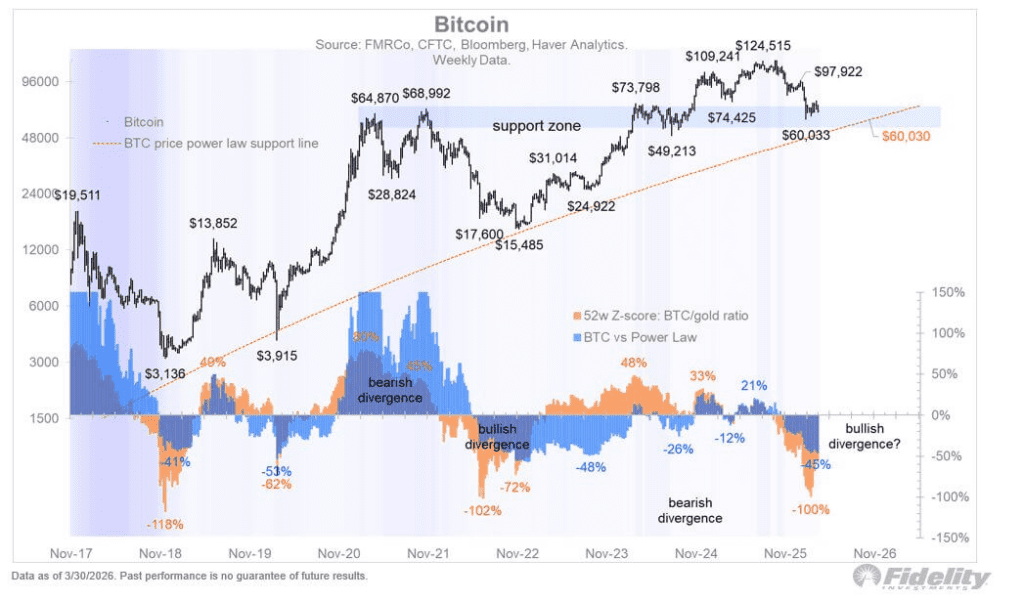
The market is still trading the same war band
The broader message remained simple: Bitcoin is still moving with macro headlines, not independently from them. The rally looked more like a recovery inside an existing band than a clean breakout. That leaves the market highly sensitive to any change in the tone around war, oil, and negotiations.
Trump’s Tuesday Deadline Is Now the Main Market Trigger
The message from Washington stayed mixed
Over the last 24 hours, remarks attributed to Trump pointed to a tougher line on Iran even as negotiations remained in view. One update described him as saying he had seen every proposal, that the Tuesday deadline is final, and that Iran’s latest proposal was a big step but still not good enough. The same remarks also suggested he would prefer to “take the oil” if given the choice, and that while the United States could leave immediately, he wanted to finish it up.
That was paired with a harder political message. The same remarks suggested he did not want to lose his base, even while acknowledging that many Americans want to see the United States come home.
Ceasefire talk is still colliding with rejection talk
At the same time, the ceasefire story remains deeply uncertain. One market update said internal discussions had taken place around a 45-day ceasefire between Iran and the US/Israel. But that same update said Iran had repeated that it was not willing to accept any temporary ceasefires, and market pricing was not fully buying the truce story either.
Another update went further and said Iran had rejected a ceasefire reply delivered through Pakistan. That made the whole market setup even more unstable heading into Tuesday.

Iran’s Response Added New Conditions Around Hormuz
Tehran’s reported response was much broader than a short truce
By Tuesday morning, another widely discussed update described a reported 10-point response from Iran to a US 15-point peace plan. The terms were much broader than a simple pause in fighting.
- A guarantee that Iran would not be attacked again
- A permanent end to the war, not just a ceasefire
- An end to Israeli strikes in Lebanon
- Lifting all US sanctions on Iran
- Ending regional fighting against Iranian allies
- Iran reopening the Strait of Hormuz in return
- A $2 million Hormuz fee per ship
- Splitting those fees with Oman
- Rules for safe passage through Hormuz
- Using Hormuz fees for reconstruction instead of reparations
Whether all of that becomes part of a real framework is still unclear. But the list showed that the issue is no longer just about reopening one shipping route. It is now tied to sanctions, regional military activity, shipping costs, and the long-term structure of the conflict.
The rhetoric from Tehran also hardened
Another statement attributed to a strategic adviser to the Iranian parliament speaker said Trump had about 20 hours to either surrender to Iran or face retaliation from Iran’s allies, with the claim that they would return the US side to the “Stone Age.” The same statement said Iran would not back down.
That kind of rhetoric makes it harder for markets to fully trust any relief rally, even when negotiations are still being discussed behind the scenes.
Why Oil and Inflation Still Matter for Bitcoin
Oil remains central to the whole trade. Earlier in the week, crude climbed back toward $112 a barrel, and the entire crypto rebound was happening under that pressure. If energy prices remain elevated, inflation risk stays alive too.

One estimate suggested that if oil stays near these levels for another seven weeks, US CPI inflation could rise to around 3.7%. That matters because Bitcoin is not only trading war headlines right now. It is also trading what those headlines could mean for inflation, the Federal Reserve, and rate-cut expectations.
That is why the current move still looks fragile. If diplomacy fails and oil climbs again, the same market that lifted Bitcoin on ceasefire hopes can just as quickly turn defensive again.
What Comes Next
For now, Bitcoin is still hovering near $70,000, but it is doing so in a market that has not settled anything. The Tuesday deadline is today. Ceasefire talk is still alive, but so are rejection signals, harder public remarks, and broader demands tied to Hormuz and sanctions.
A few things now matter most:
- Whether diplomacy survives today’s deadline
- Whether oil pushes higher again and revives inflation fears
- Whether Bitcoin can hold its range without a new wave of macro stress
That leaves crypto in a familiar but dangerous place: strong enough to bounce, but not strong enough to escape the macro story. Until the market gets a clear answer on whether today brings diplomacy or another step toward escalation, Bitcoin’s rebound will continue to look more like a tentative reaction than a decisive breakout.
This article is for general information only and should not be considered financial advice. Markets can react quickly to geopolitical headlines, oil shocks, and policy shifts. Read our blog for more market coverage, and if you choose to act, trade responsibly on Millionero.