


The week was shaped by two fast-moving stories. The first was the conflict around Iran, the Strait of Hormuz, the US naval blockade, and ceasefire talks. The second was a broad risk-on move across markets, with oil falling, the S&P 500 hitting a record high, and crypto gaining strength.
Those two stories kept feeding into each other. As political claims and counterclaims grew louder, markets moved as if the odds of a wider disruption were falling. Oil dropped hard, equities surged, and Bitcoin pushed higher. At the same time, the crypto market kept building its own momentum through ETF flows, bank adoption, blockchain payment activity, and heavy trading in perpetual contracts.
Iran Talks and the Strait of Hormuz
Early signs of progress in negotiations
The week began with a more constructive tone. Iranian President Pezeshkian said Iran was ready to continue talks with the United States. That was framed as positive news for markets, with hopes that continued dialogue could ease tensions and bring the region closer to peace.
That tone was reinforced when US Vice President JD Vance said there had been significant progress in talks with Iran. He also said expectations were for Iran to take steps toward opening the Strait of Hormuz.
Trump raised the pressure while talking about a deal
As the week moved on, President Trump described direct contact with Iran and said Tehran wanted to reach an agreement. He said he expected a deal soon and confirmed that the naval blockade had already begun. He also pointed to an effort to withdraw uranium from Iran.
Trump tied any agreement to one main condition: no deal without Iran committing to a clear nuclear program. He added that the situation would not be good if no agreement was reached within two weeks.
He also listed a wider set of developments, said details on which countries would assist with the Strait of Hormuz file would come later, said a large number of ships were heading to the United States to load oil, said he wanted to end the war in Iran, said Xi in China wanted to close the issue, said the ceasefire would remain in effect until April 21, and said attention could later shift to the Cuba file after the Iran matter was finished.
Iran answered with a harder line
Iranian officials also made their position clearer. Speaker of Iran’s Parliament Ghalibaf said the United States must adhere to the agreement and called on Washington to step back from what he described as an “Israel first” policy. His remarks reflected a harder Iranian line that tied political progress to clear US commitments.
Iran also appeared to be preparing for a longer standoff. Reports said Tehran planned to use alternative ports outside the south of the country in order to bypass the American naval blockade on the Strait of Hormuz.
Pakistan tried to preserve the ceasefire
In the middle of that pressure, Pakistan worked to extend the ceasefire between the United States and Iran in order to give negotiations more time.
Trump’s claims became far more sweeping
By April 17, Trump’s statements became much larger in scope. He said Iran had agreed to suspend its nuclear program indefinitely and would not receive any frozen funds from the United States, according to Bloomberg.
A deal to end the war between the US/Israel and Iran was now mostly complete. He said talks over a lasting agreement would probably be held that weekend because most main points were finalized. He denied that the moratorium on Iran’s nuclear program would end after 20 years, and he said he had not yet decided who would lead the US delegation for the final talks.
Trump also said Iran had agreed to never close the Strait of Hormuz again. He said Iran was removing all sea mines from the Strait with help from the US.
At the same time, he said the US Navy’s blockade of the Strait of Hormuz would remain in effect until a deal with Iran was 100% complete.
Lebanon and NATO were pulled into the story
Trump widened the message beyond Iran. He said, “We will Make Lebanon Great Again.” He also said Israel was prohibited by the USA from bombing Lebanon, and added that the United States would get “all nuclear dust” from Iran.
On the military side, Trump said that after the Hormuz situation was over, NATO called to ask if help was needed. He said he told NATO to stay away unless it only wanted to load ships with oil, and he described NATO as a “paper tiger” that had been useless when it was needed.
Ghalibaf rejected Trump’s version after markets closed
After markets closed for the weekend, Ghalibaf said Trump had made “seven claims in one hour, all of which were false.”
Ghalibaf then gave five direct points. He said the United States did not win the war with these lies and would not get anywhere in negotiations with them. He said that with the continuation of the US blockade, the Strait of Hormuz will not remain open also said passage through the Strait would happen only on the designated route and with Iranian authorization, said whether the Strait was open or closed, and which rules would govern it, would be decided by the field, not by social media. Then also said media warfare and engineering public opinion are an important part of war, but that the Iranian nation would not be influenced by these tactics.
Those remarks came after the market had already absorbed a major risk rally and while expectations were building for a US response.
Oil and the Broader Macro Move
Oil fell below $80
Even with all the tension around Hormuz, US oil prices fell below $80 per barrel. They were down 32% in 9 trading days, and by late week oil had dropped to a five-week low.
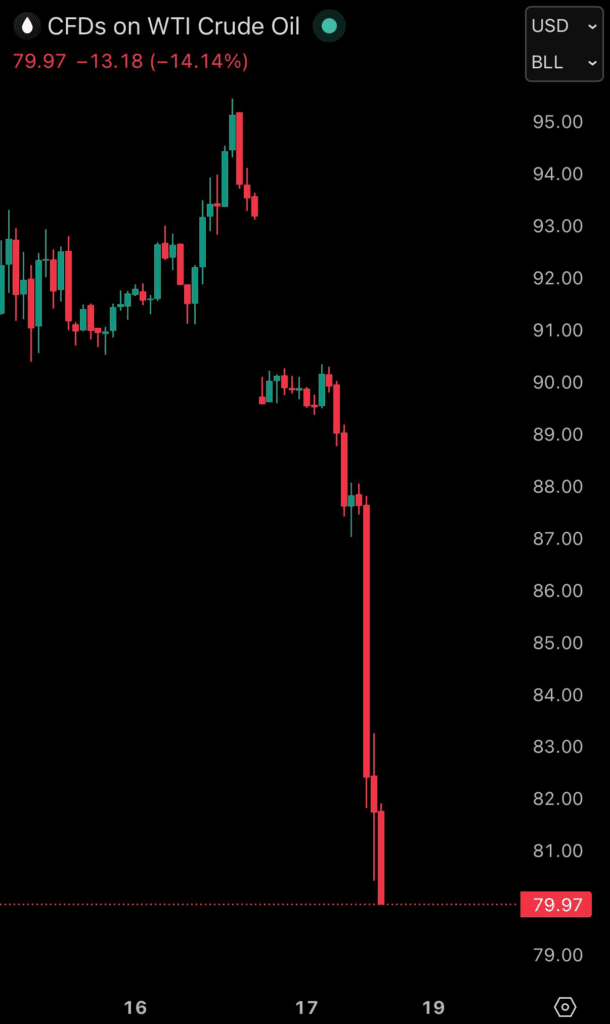
That was one of the clearest market signals of the week. Traders were acting as if the odds of a major and lasting supply shock were falling, even though the political messaging remained highly conflicting.
The S&P 500 posted its fastest recovery since 1982
The equity market responded even more strongly. The S&P 500 closed at its highest level on record and officially logged its fastest recovery since 1982. Since its low on March 30, the index had added $7.3 trillion.
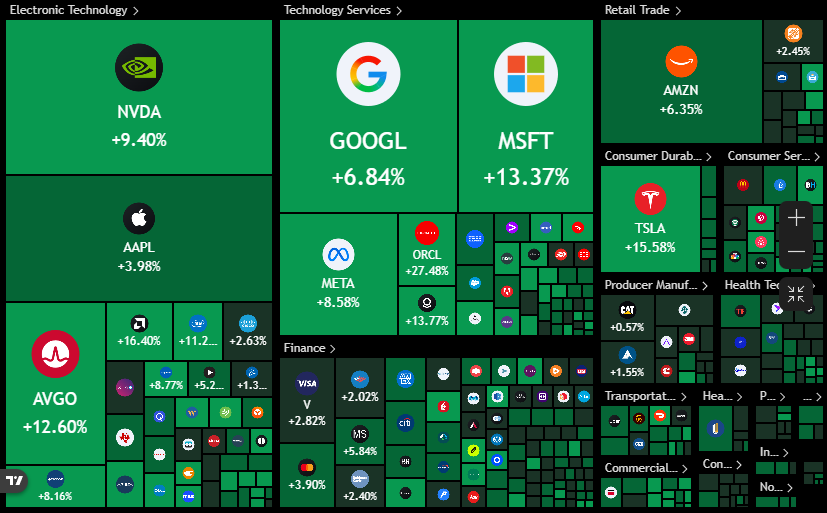
That record close mattered because it showed how strongly investors were leaning back into risk at the same moment that geopolitical headlines were still unsettled.
Institutional investors turned sharply bullish
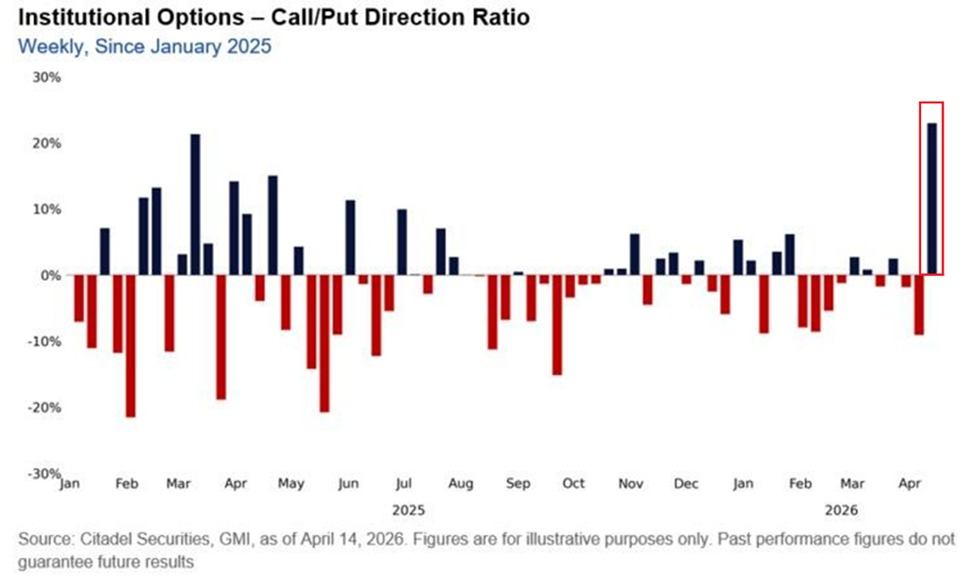
The move in stocks was backed by heavy institutional positioning. According to Citadel, institutional investors bought about 22% more call options than put options last week, the largest difference in at least 16 months.
Monday and Tuesday also saw significant institutional call option inflows, putting the market on track for the largest weekly bullish reading since October 2024. Institutional demand for call options rose to the highest level on record.
Over the five days ending Tuesday, institutional call buying ran 37% above the average since January 2025. During the April 2025 market recovery, the average had been exceeded by 25%. The week’s message was straightforward: institutional investors were piling into equities.
One warning stayed in the background
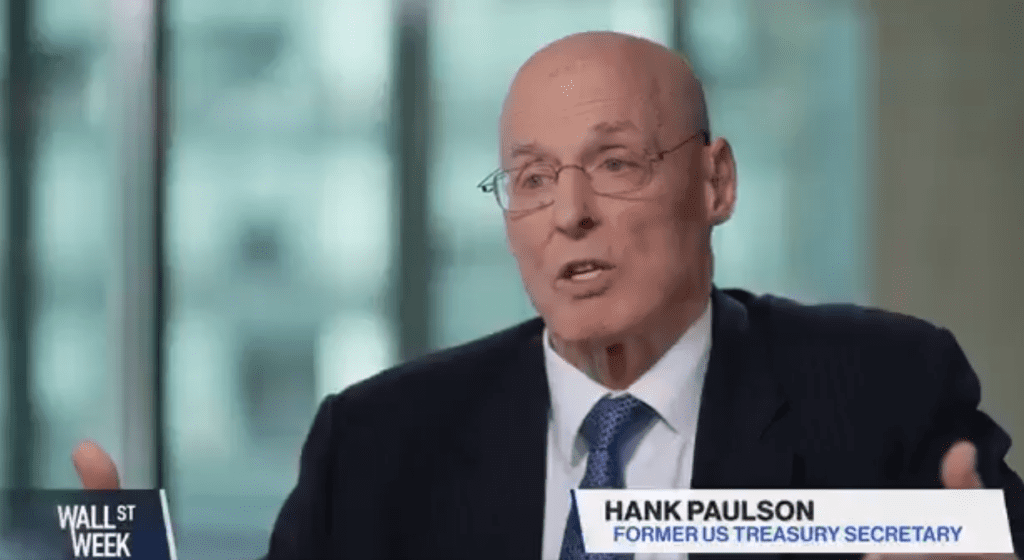
Amid that risk-on tone, a former US Treasury Secretary warned that policymakers should prepare a contingency plan in case demand for US Treasuries starts to decline. That warning carried extra weight because he held the job during the 2008 global financial crisis.
Tax refunds rose, but still disappointed
Another macro note showed why not every part of the consumer picture felt strong. The average tax refund in 2026 reached about $3,462, up 11% from last year. Even so, the increase came in below expectations, with some forecasts having pointed to gains of as much as $1,000.
The reason was that the new tax cuts lowered what people pay in advance, meaning a large part of the benefit came through reduced taxes owed, not just through a larger refund. Many households still felt the amount was lower than expected. Rising living costs, especially fuel, were also seen as a factor that could swallow that increase.
Bitcoin, Positioning, and Market Expectations
BTC moved back above $77,000
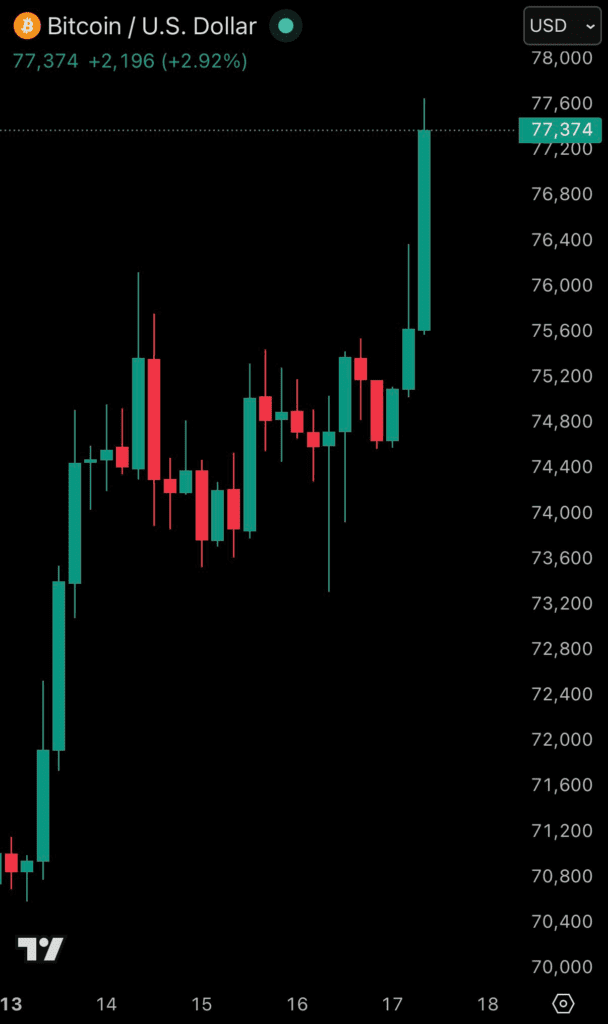
Bitcoin surged above $77,000 for the first time since February 3. That move fit the broader pattern of the week, with risk assets rising as oil fell and equities pushed to new highs.
Short positioning pointed to squeeze risk
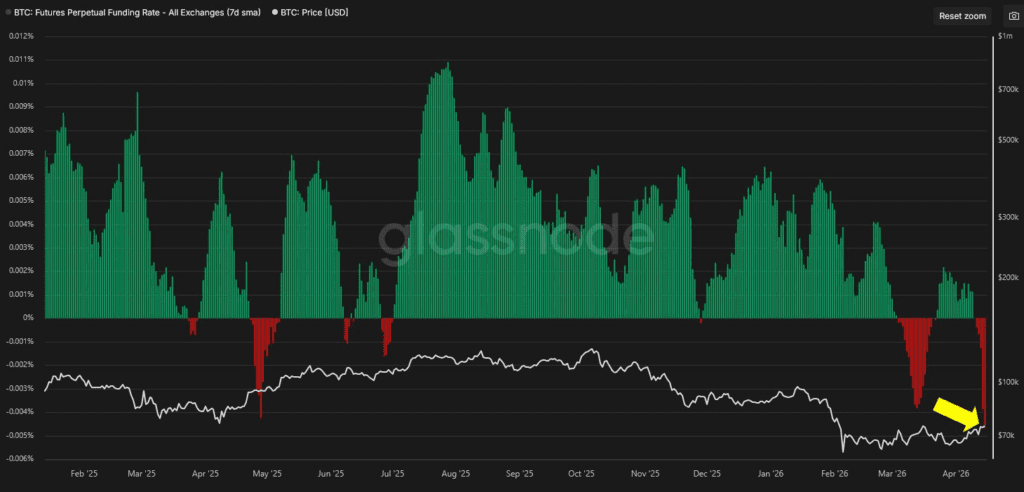
At the same time, positioning data suggested that the market could still move violently. Glassnode data showed a strong concentration of short selling deals on Bitcoin, while funding rates hit their lowest level in three years. Historically, these deeply negative levels have preceded sharp price breakouts, raising the possibility of a strong short squeeze.
Views on Bitcoin split sharply
Opinion on Bitcoin remained divided.
Professor Jiang, a well-known Chinese commentator, claimed that Bitcoin is a CIA operation.

Tom Lee took the opposite view. He said market conditions were set for a strong rally because of the large number of short positions. He argued that if war fears fade, Bitcoin could become the pressure valve for that tension and lead a powerful upward move.
Peter Schiff also entered the debate as Bitcoin approached $75,000, telling holders to sell Bitcoin and buy gold and silver instead.
Whales and prediction markets leaned bullish
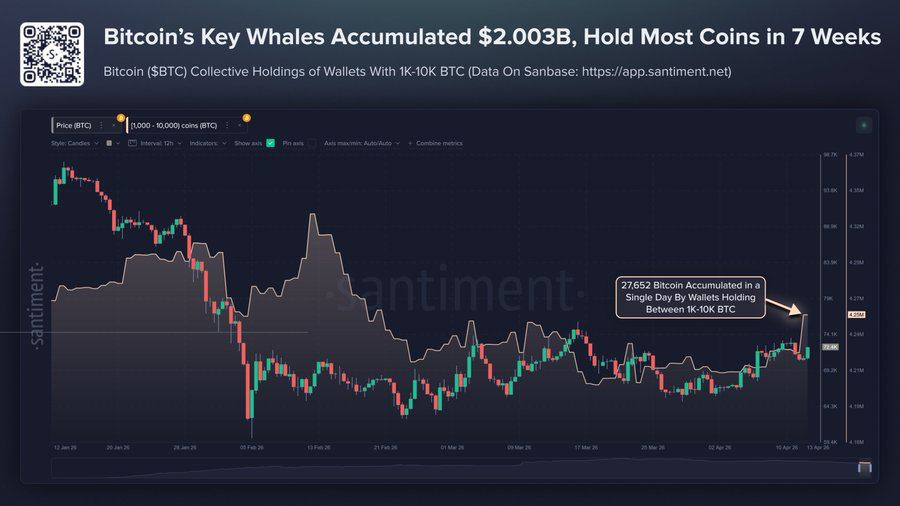
On-chain data pointed in a more supportive direction. Addresses holding between 1,000 and 10,000 BTC now control more than 4.25 million BTC, equal to about 21.3% of total supply. That group also added around 27,652 BTC during the latest accumulation wave, according to Santiment.
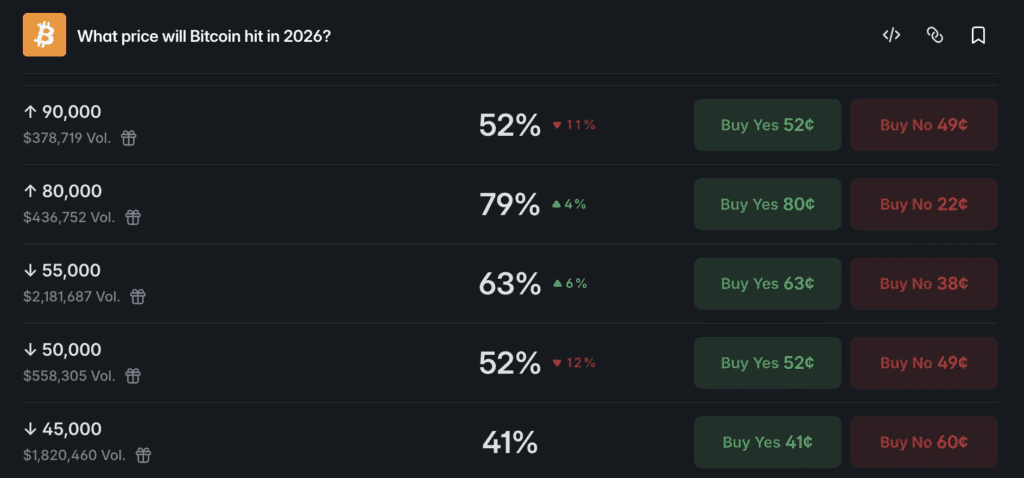
Prediction markets also turned more optimistic. Polymarket traders raised the probability of Bitcoin reaching $90,000 in 2026 to 52%, up from less than 40% a week earlier. At the same time, 79% expected Bitcoin to reach $80,000 this year.
ETF Flows and the Expansion of Crypto Products
BlackRock and the broader ETF complex kept buying
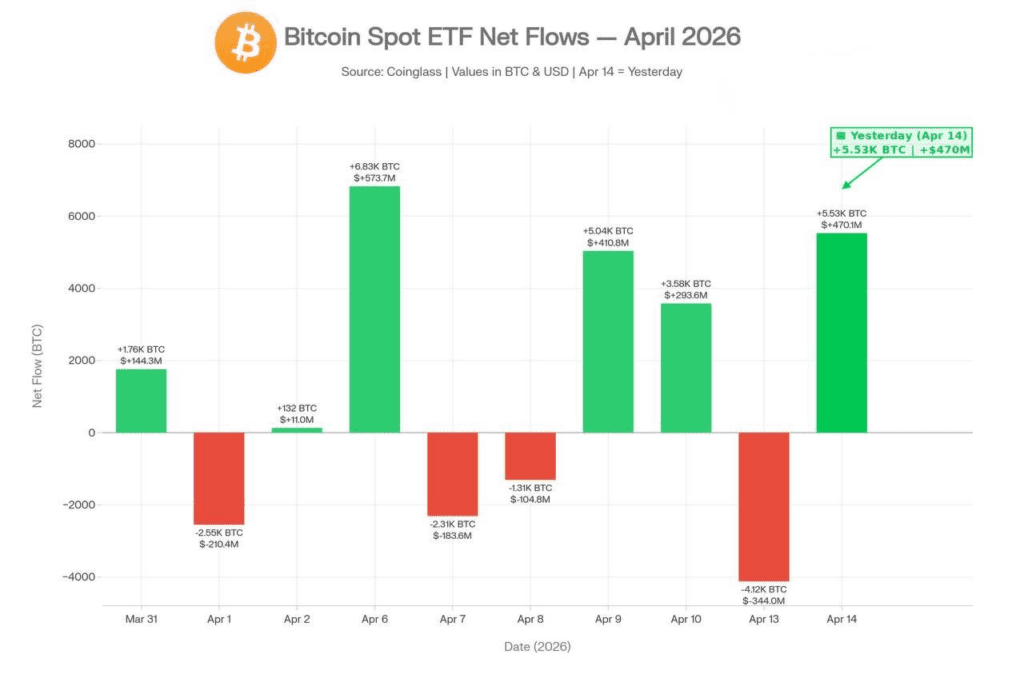
ETF demand stayed strong through the week. BlackRock’s IBIT bought 3,940 BTC in one day, bringing total purchases to 13,571 BTC over six days.
Bitcoin ETF funds bought about 5,530 BTC worth $471 million in a single day. In that same stretch, IBIT bought 2,870 BTC, extending its buying streak to five straight days. Over those five days, BlackRock accumulated 9,631 BTC.
BlackRock prepared a new Bitcoin income fund
BlackRock was also linked to a new product called $BITA, a Bitcoin Income ETF. The fund is designed to sell call options on IBIT, whose assets were said to exceed $50 billion, in order to generate returns from Bitcoin volatility. Current Bitcoin-linked income funds were described as offering annual returns between 27% and 41%, and the launch was expected within weeks.
Morgan Stanley, Goldman Sachs, Schwab, and NYSE all added to the trend
Traditional finance also widened its crypto push.
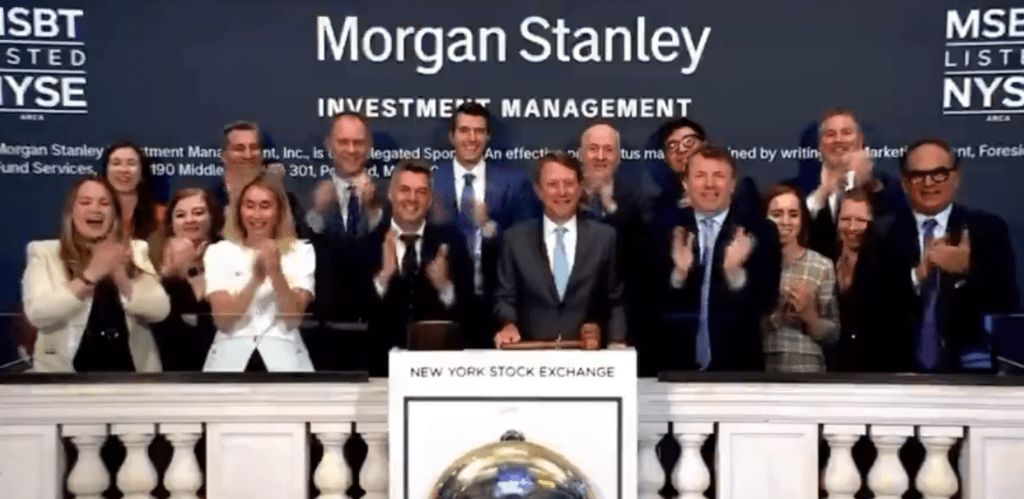
Morgan Stanley rang the NYSE Closing Bell to celebrate the launch of $MSBT, described as the first spot Bitcoin ETF issued by a major US bank.
At the same time, a broader market summary said the digital “Wall Street” era had officially begun. It highlighted four points: Goldman Sachs launched its first Bitcoin-linked ETF fund to boost returns, Morgan Stanley’s Bitcoin fund became the most successful ETF launch in the bank’s history, Charles Schwab officially began offering direct cryptocurrency trading to its clients, and the NYSE adopted crypto technologies and moved toward tokenized asset trading.
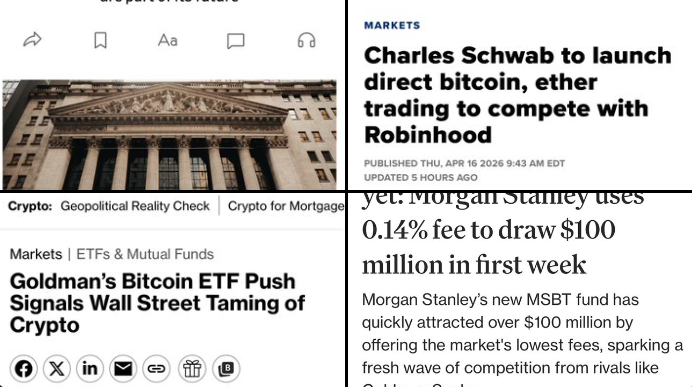
That same summary argued that adoption is accelerating even as many people still claim the field is over. It warned that many of those people may return only during FOMO, buy near peaks, and then say the market is a scam.
Avalanche and Strategy added more momentum
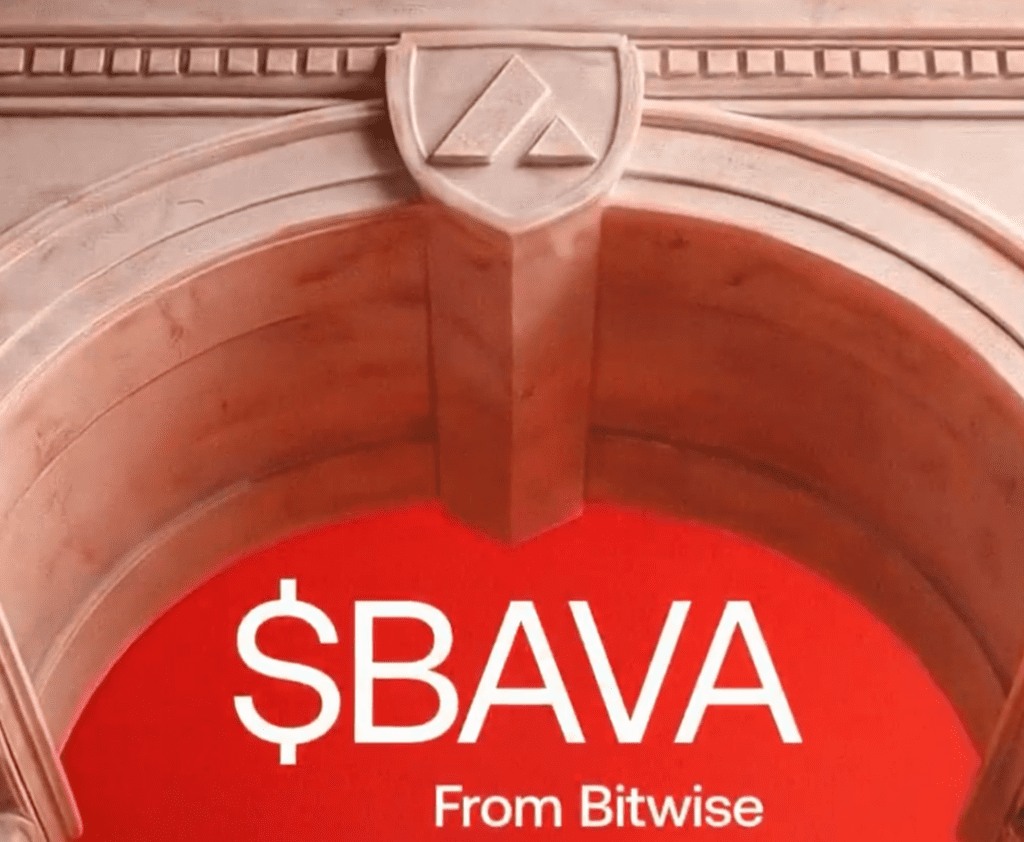
Beyond Bitcoin, the NYSE also saw the launch of a new AVAX ETF named $BAVA that gives investors direct exposure to Avalanche.
Meanwhile, STRC shares of Strategy posted a record daily trading volume of $1.1 billion, which was 46.5% above the previous high.
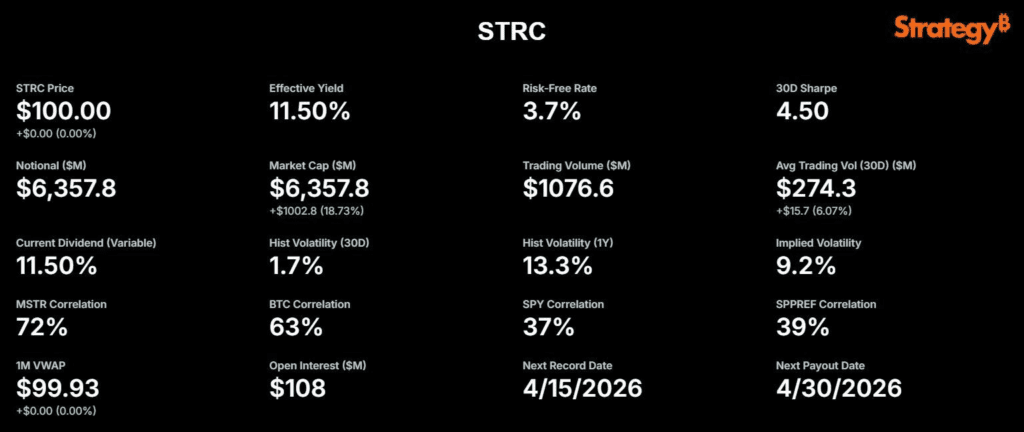
That came alongside another Strategy update showing the company had bought 13,927 BTC worth nearly $1 billion at an average price of $71,902, achieving a 5.6% return since the start of 2026. Total holdings were reported at 780,897 BTC, worth nearly $59.02 billion.
Blockchain Adoption, Stablecoins, and Regulation
Payment and banking infrastructure kept moving on-chain
Several developments showed how quickly blockchain is moving into financial infrastructure.
Famous Entrepreneur Raoul Paul argued that the entire banking system will head toward Ethereum.

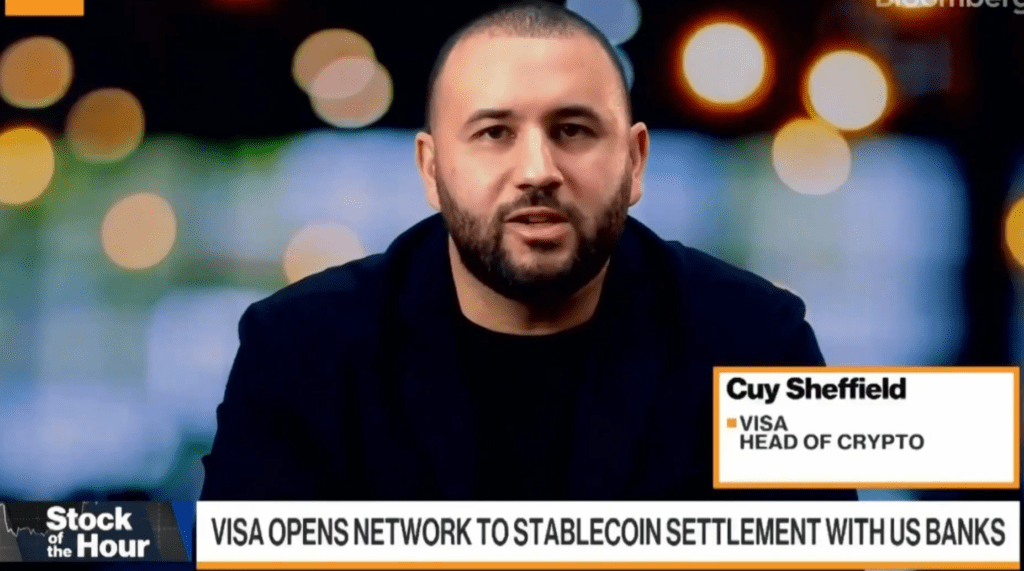
The head of the crypto division at Visa said that two US banks have already started settling transactions using USDC on the Solana network.
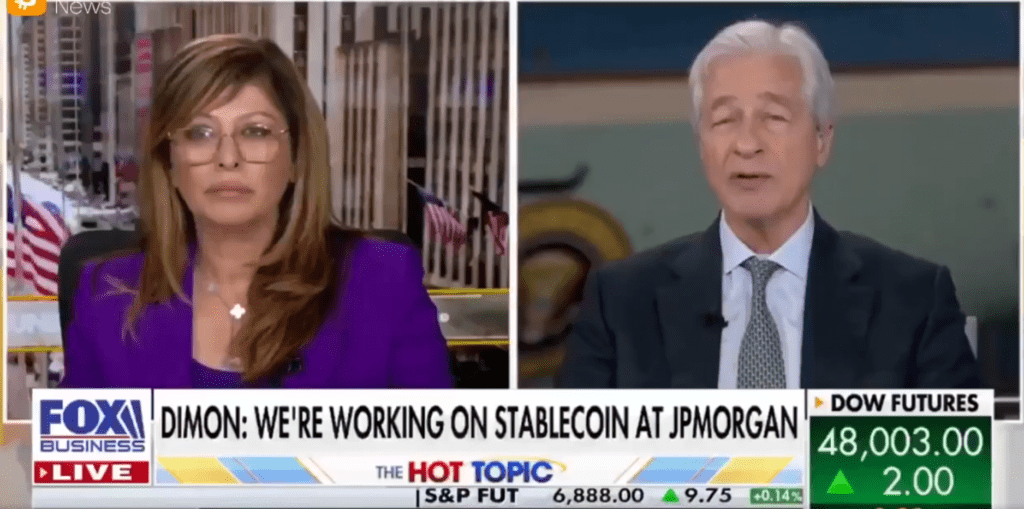
Jamie Dimon added another mainstream banking voice and a historical BTC bear, saying that blockchain technology has become faster and cheaper than traditional financial systems.
Coinbase and the CLARITY Act stayed in focus
Bank adoption was also linked directly to exchange infrastructure. A market note said that banks once fought crypto but are now starting to join it, and said Coinbase had already begun partnerships with banks.
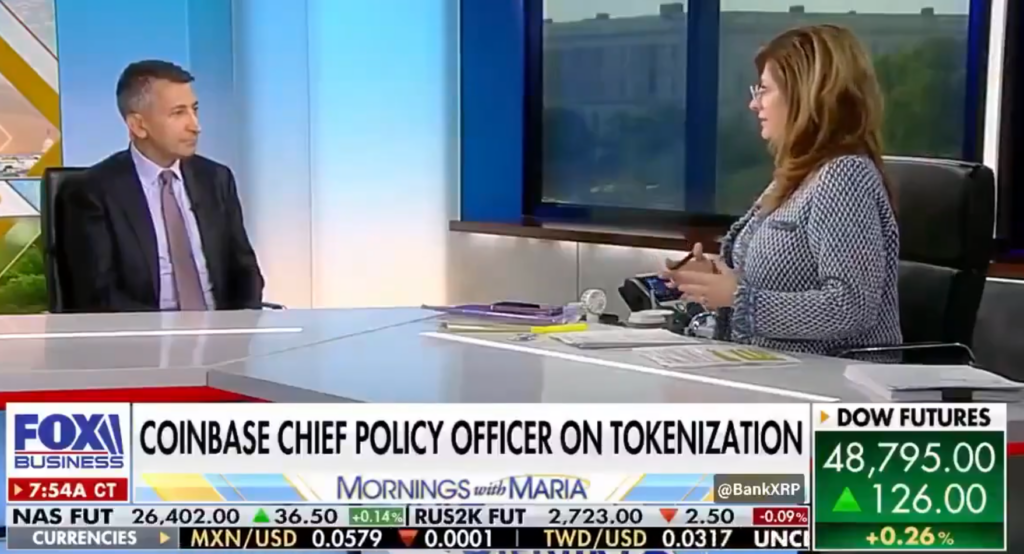
The same note tied that shift to the CLARITY Act, arguing that the bill is helping bridge the gap between regulation and market reality while pushing the sector toward broader adoption.
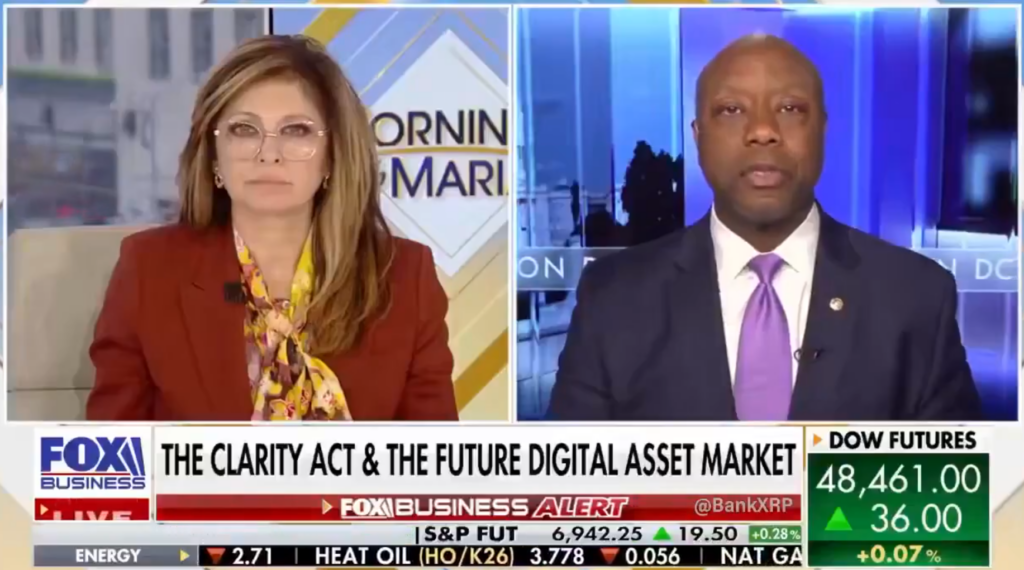
That theme was reinforced when Tim Scott said most of the key points in the CLARITY Act had nearly been resolved. That raised the prospect of a breakthrough within two weeks, a move seen as a possible near-term catalyst for both crypto and Bitcoin.
Perpetual contracts kept dominating trading
Crypto trading activity also remained huge. Perpetual contracts and futures continued to dominate, with volume reaching $86.2 trillion on centralized platforms, up 47% year over year, and $6.7 trillion on decentralized platforms, up 346% year over year.
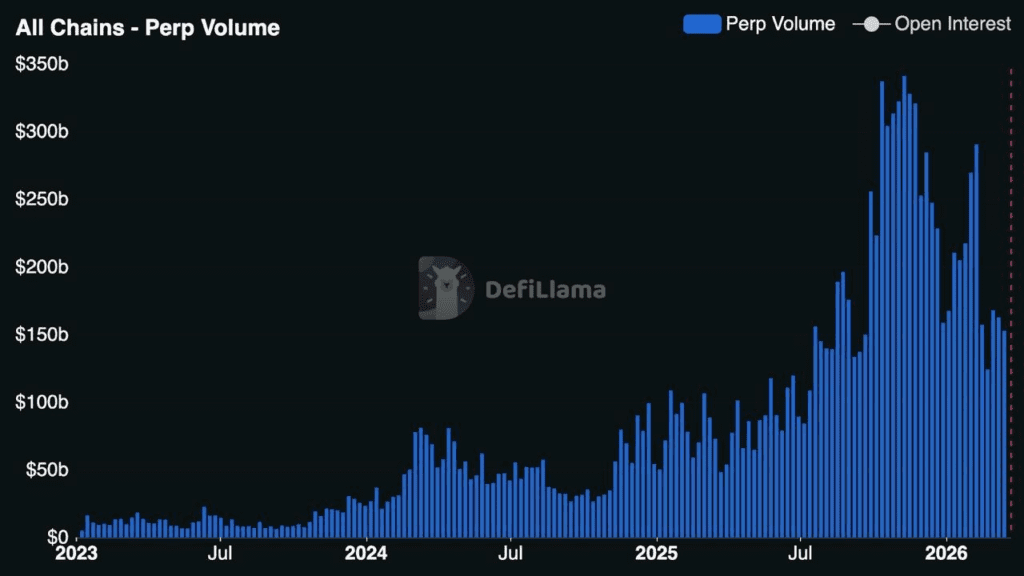
Those figures showed how central perpetual contracts have become to crypto trading.
Avalanche, stablecoins, and cross-border payments kept expanding
In Asia, NHN entered a partnership with Ava Labs to build a payments-focused Layer 1 network. The two sides also planned to explore tokenized deposits, stablecoins, and cross-border payments.
On the stablecoin side, Paolo Ardoino confirmed that Tether froze 3.29 million USDT linked to the hackers behind the Rhea Finance attack.
Security, Technical Risk, and Policy Pressure
Hacks and fund movements remained part of the backdrop
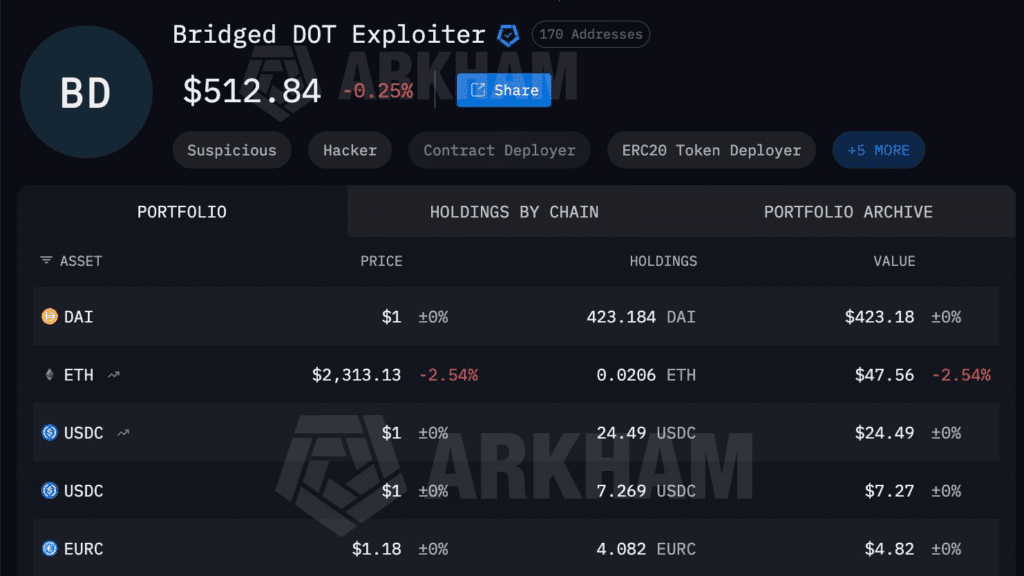
Security incidents stayed part of the market picture. The attacker tied to the Polkadot incident moved all stolen funds to Tornado Cash in an effort to hide the trail. The reported amount was about $269,000, according to Arkham.
Quantum risk returned to the Bitcoin debate
Quantum risk also reappeared as a topic. Jameson Lopp and several developers proposed BIP-361, a plan meant to freeze Bitcoin that could be vulnerable to quantum hacking. The proposal would also affect old wallets, including Satoshi Nakamoto’s estimated holdings worth about $74 billion.
Bernstein pushed back on the immediate market impact of that risk. The firm said concerns about quantum computing and Bitcoin had already been priced into the market. Bernstein argued the threat is real, but likely remains three to five years away, leaving time to update encryption systems. Its conclusion was simple: Bitcoin does not collapse, it adapts.
Political pressure on crypto remained active
Crypto also stayed under political scrutiny. Elizabeth Warren criticized X’s focus on payments and crypto, pointing to risks to consumers, threats to financial stability, and growing regulatory pressure on crypto infrastructure.
Final Take
The week ended with a market that was clearly leaning toward lower geopolitical risk and higher financial risk appetite. Oil fell below $80, the S&P 500 hit a record high, institutional investors loaded into bullish equity positions, and Bitcoin climbed back above $77,000.
At the same time, the political picture around Iran and the Strait of Hormuz was far from settled. Trump described a near-complete agreement and expanding control over the situation, while Ghalibaf rejected those claims and warned that the Strait would not remain open under a continued blockade.
Alongside that geopolitical fight, crypto kept advancing on multiple fronts. ETF buying remained heavy, new funds launched, bank partnerships expanded, blockchain payment rails gained ground, perpetual trading stayed dominant, and stablecoin enforcement continued.
That combination made this one of the clearest weeks in recent months for watching politics, macro, and crypto move together. Whether the next phase brings confirmation or reversal now depends on the outcome of the Iran talks, the Hormuz file, and the market’s willingness to keep betting on a calmer path ahead.
This article is not financial advice. Always do your own research. You can also do your research on our blog, and when you’re ready, come trade spot and perps on Millionero.